
Roof nails may be small, but they play an important role in keeping shingles and other roofing materials securely attached to the roof deck. When Roof Nails Become Loose, shingles can shift, lift, or become more vulnerable to wind and rain. In hot climates, this problem can develop gradually because roofing materials repeatedly expand during the day and contract as temperatures fall. These constant temperature changes can place stress on fasteners and surrounding materials, especially when the roof is aging, poorly installed, or already damaged.
Understanding why roof nails become loose over time in hot weather can help homeowners identify potential roofing problems before they lead to missing shingles, leaks, or more extensive damage. High temperatures are rarely the only cause. Nail quality, installation technique, roof movement, moisture, aging materials, and repeated temperature changes can all contribute to fastener problems.
A roof may look perfectly normal from the ground while nails underneath the shingles are slowly losing their ability to hold materials securely. Regular inspections can help identify these problems before the next storm exposes them.
What Role Do Roof Nails Play?
Roof nails are used to secure shingles and other roofing components to the roof deck. They help keep materials in their intended position and prevent them from shifting or lifting under wind and weather exposure.
A properly installed nail should:
- Hold the roofing material securely in place during severe weather
- Penetrate the appropriate roofing layers at the correct depth
- Be positioned correctly according to the roofing manufacturer’s specifications
- Have enough holding power in the roof deck structure
- Work with the roofing material rather than against it
- Remain protected from excessive moisture and harsh weather exposure
When nails become loose, the roofing material around them may also become less secure. This can create weak points across the roof.
Why Roof Nails Become Loose
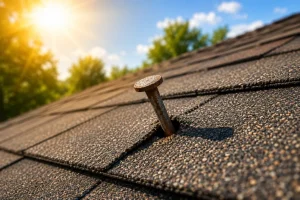 Hot weather affects roofing systems through continuous heating and cooling, especially in the RGV climate. During the day, sunlight heats the roof surface. Roofing materials expand as their temperature increases. At night, the materials cool and contract. This cycle creates movement throughout the roofing system. Over many years, repeated expansion and contraction can place stress on nails, shingles, fasteners, flashing, and other components. The nail itself may not simply “melt” or become loose because of heat. Instead, the movement of the surrounding materials can gradually affect the nail’s holding position.
Thermal Expansion Causes Roof Materials to Move
One of the main reasons nails can become loose in hot climates is thermal movement. Asphalt shingles and other roofing materials expand when heated and contract when cooled. The roof may experience this cycle every day: Morning sunlight → Roof heats up → Materials expand → Evening cooling → Materials contract → Repeated movement Over time, this movement can place stress around nail locations. The more frequently the roof experiences large temperature changes, the more movement the roofing system may experience.
Shingles Expand and Contract Around the Nails
Roof nails are driven through shingles into the roof deck. When shingles move because of temperature changes, the nail remains anchored in the deck while the roofing material around it experiences movement. Repeated movement can gradually affect the nail’s position and the surrounding material. If the roof is already aging or the shingles have become brittle, this movement can become more significant. The result may be:
- Slightly raised nail heads above the shingle surface
- Loose shingles that can shift during strong winds
- Nail pops caused by movement beneath shingles
- Shingle movement that reduces the roof’s weather protection
- Exposed fasteners vulnerable to moisture and corrosion
- Gaps around fasteners that may allow water penetration
High Heat Can Accelerate Shingle Aging
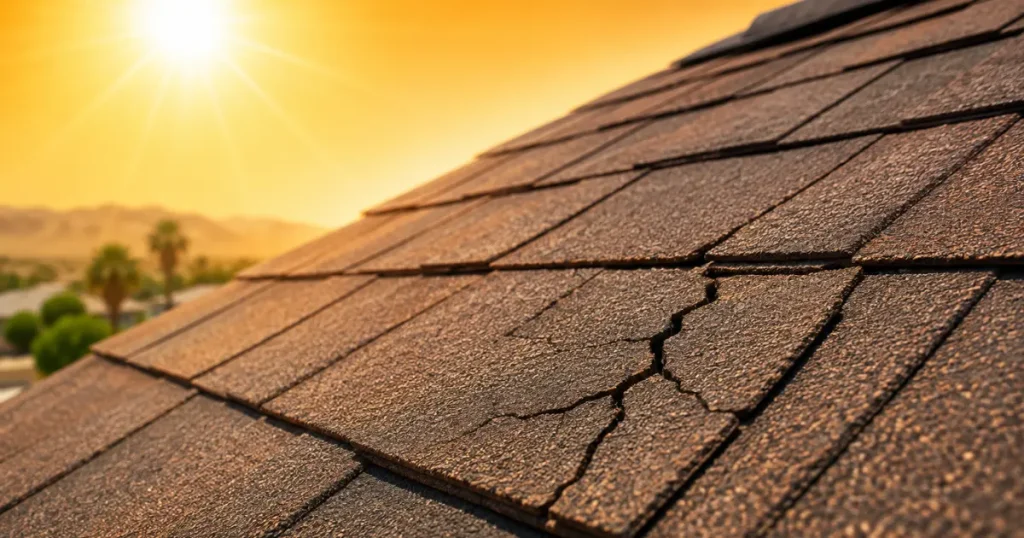
Extreme heat and UV exposure can gradually change asphalt shingles. Older shingles may lose flexibility and become more brittle. In the RGV, prolonged sun exposure can make this aging process more noticeable over time. Once the roofing material becomes less flexible, it may respond differently to thermal movement. Instead of moving smoothly with the roof, brittle shingles may crack, split, curl, or place additional stress around fastener locations. This means nail problems may become more common as the overall roof ages.
UV Exposure Weakens Roofing Materials
| UV Exposure Effect | How It Affects Roofing Materials | Impact Around Roof Nails |
|---|---|---|
| Surface aging | Prolonged UV exposure gradually breaks down the outer roofing surface. | Older material may provide less support around fasteners. |
| Fading | Sunlight can cause roofing materials to lose their original appearance. | Fading can indicate prolonged exposure and material aging. |
| Brittleness | Continuous UV exposure can make shingles harder and less flexible. | Brittle shingles may crack or weaken around nail locations. |
| Cracking | Repeated sunlight and heat can contribute to small cracks in roofing materials. | Cracks can allow moisture to reach areas around fasteners. |
| Granule loss | UV exposure can contribute to the loss of protective granules from asphalt shingles. | Exposed areas may become more vulnerable to weather and moisture. |
| Reduced flexibility | Aging materials may lose their ability to expand and contract normally. | Increased stress around fasteners can contribute to fastening problems. |
Poor Nail Placement Can Cause Problems
Nails must be installed in the correct location. If a nail is placed too high, too low, too close to an edge, or outside the manufacturer’s recommended fastening area, it may not provide adequate holding power. Incorrect placement can also leave part of the shingle insufficiently secured. When hot weather causes the roofing material to expand and contract, improperly placed nails may become more noticeable as a problem. Proper installation is therefore critical for long-term roof performance.
Nails May Be Driven Too Deep
Nails should be driven firmly enough to secure the shingle without damaging it. If a nail is driven too deeply, it can cut into or damage the shingle material. This may reduce the nail’s ability to hold the shingle properly. Thermal movement and weather exposure can make the damaged area more vulnerable. A properly installed nail should sit correctly against the roofing material rather than being driven excessively deep.
Nails May Not Be Driven Deep Enough
The opposite problem can also occur. If a nail is not driven deep enough, the nail head may remain raised above the shingle surface. A raised nail can interfere with the shingle above it and create an uneven surface. With the intense heat and changing weather conditions common in the RGV, these improperly positioned nails can experience additional stress over time. Roof nails become loose more easily when they are not properly positioned or securely fastened. Repeated heat and temperature changes can increase movement around the nail. If left uncorrected, the raised fastener may contribute to shingle damage, water entry, or further roof problems.
The Roof Deck Can Affect Nail Holding Power
The roof deck provides the material into which roofing nails are driven. If the deck is damaged, deteriorated, wet, or weakened, nails may not have enough holding power. Wood rot is particularly concerning. If water has entered the roof system, the decking around the nail may become soft or deteriorated. A nail that was originally secure may then become loose because the material surrounding it can no longer hold it properly. This is an important reason why loose nails should not always be treated as an isolated problem.
Moisture Can Work Together With Heat
Heat and moisture can create a damaging combination. For example, a small roofing defect may allow rainwater to reach the roof deck. If moisture remains trapped around a nail, it can contribute to corrosion or deterioration of the surrounding material. Later, intense heat can dry and expand materials while nighttime cooling causes contraction. This repeated cycle can contribute to additional movement. The combination of moisture, heat, and aging can weaken the fastening system.
Corrosion Can Weaken Roof Nails
Roof nails are exposed to challenging environmental conditions. If the wrong type of nail is used or protective coatings are damaged, moisture can cause corrosion. Corroded nails may lose strength or develop weakened areas. Rust around fasteners can also indicate that moisture is reaching parts of the roofing system where it should not. In coastal or humid environments, corrosion can become an even greater concern.
Roof Age Can Increase Nail Problems
A new roof and an older roof do not respond to heat in exactly the same way. As roofing materials age, they are exposed to years of sun, heat, rain, wind, moisture, temperature changes, and mechanical stress. These repeated conditions can gradually weaken shingles, underlayment, roof decking, and the areas surrounding fasteners. Fasteners also experience years of expansion, contraction, moisture exposure, and movement.
For your RGV home, years of hot, sunny weather can add to the normal aging of roofing materials. An older roof may be more likely to develop loose nails, nail pops, cracked shingles, exposed fasteners, or granule loss. Regular inspections can help catch these signs early and determine whether a small repair or more extensive roofing work is needed.
What Is a Nail Pop?
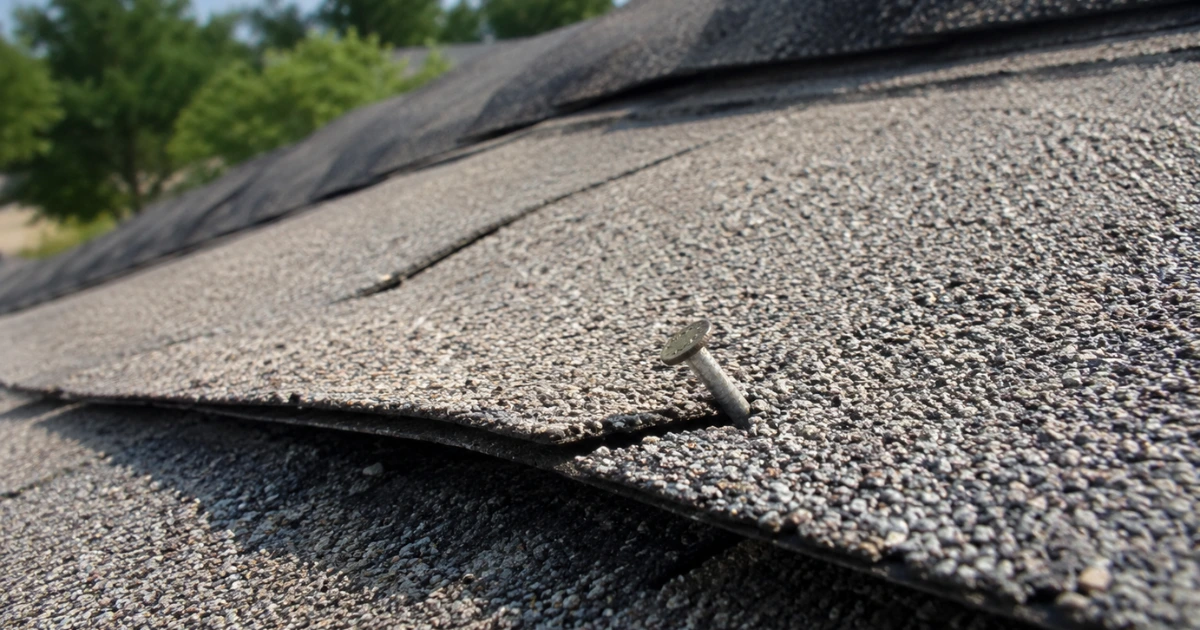
A nail pop occurs when a roofing nail moves upward or becomes visible through the roofing material, creating a small raised area on the shingle surface. This can happen when the roof experiences repeated heat and temperature changes, moisture exposure, or movement in the roof deck. Improper installation and aging materials can also increase the risk. Common causes of nail pops include:
- Thermal movement caused by repeated heating and cooling
- Improper installation that leaves nails incorrectly positioned
- Roof deck movement caused by expansion, contraction, or moisture
- Moisture exposure that weakens surrounding roofing materials
- Nail placement problems that reduce proper holding power
- Aging materials that become brittle and less flexible
A nail pop should not simply be ignored. If the nail head becomes exposed, water may eventually enter around the opening and reach the underlying roof materials. Early inspection and repair can help prevent leaks and additional roof damage.
Can Loose Roof Nails Cause Leaks? 
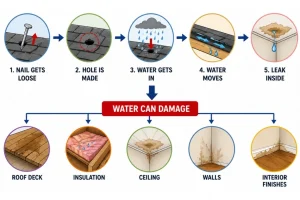
Yes. Loose or exposed roof nails can cause leaks, especially when they are no longer holding shingles tightly against the roof surface. Over time, nails can loosen because of strong winds, roof movement, temperature changes, moisture, or natural aging. When a nail lifts slightly or becomes exposed, it can leave a small opening where water can enter the roofing system.
During heavy rain, water can move beneath the shingles and reach the nail penetration. If the seal around the nail has failed, moisture may pass through the opening and enter the layers below the shingles. Once inside, water can travel along the roof deck, underlayment, or other roofing materials before it reaches a visible point inside the building.
This is why the location of an interior water stain does not always match the location of the roof problem. Water can travel several feet from the original entry point before it drips through the ceiling or reaches a wall.
Warning Signs of Loose Roof Nails 
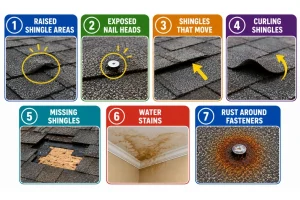
Loose nails are not always visible from the ground, but several signs may indicate a fastening problem. Watch for these common warning signs:
Raised Shingle Areas: Small bumps or raised sections on shingles may indicate nail pops underneath. These areas can worsen with heat, movement, and weather exposure.
Exposed Nail Heads: Visible nail heads can signal improper fastening or movement beneath the shingles. Exposed fasteners may allow moisture to enter and should be checked by a roofing professional.
Shingles That Move: Shingles that shift, lift, or move in the wind may have weak or loose fasteners. This can leave the roof more exposed to rain, wind, and further damage.
Curling Shingles: can result from age, heat, moisture, or poor ventilation. However, weakened fastening may also contribute to movement and make the shingles more vulnerable.
Missing Shingles : Indicate serious fastening problems, especially after strong winds. When fasteners fail to hold properly, shingles can lift, tear away, and expose the roof beneath.
Water Stains: on ceilings or walls may indicate that moisture has entered through damaged shingles, loose fasteners, or other roof openings. Prompt inspection can help prevent additional interior damage.
Rust Around Fasteners : may indicate repeated moisture exposure or fastener deterioration. Corroded nails can lose strength and may no longer secure roofing materials properly.
Why Hot Weather Can Make Nail Problems Worse
Hot weather does not necessarily create every nail problem. Instead, it can accelerate existing weaknesses in the roofing system.
| Existing Roof Problem | How Hot Weather Can Make It Worse |
|---|---|
| Poorly placed nails | Heat causes repeated expansion and contraction, increasing movement around improperly positioned fasteners. |
| Aging shingles | Older shingles may become brittle and less flexible, making them more vulnerable to movement around nails. |
| Weak roof decking | High temperatures can increase movement in already weakened decking, reducing the nail’s holding strength. |
| Corroded fasteners | Heat combined with moisture can accelerate deterioration of already weakened or corroded roofing nails. |
| Improper installation | Incorrect nail depth or placement can become more noticeable as roofing materials expand and contract. |
| Damaged flashing | Heat can increase movement around damaged flashing, creating additional stress and possible moisture entry near fasteners. |
How Poor Roof Installation Can Lead to Loose Nails
Installation quality has a major influence on how well roof fasteners perform. Common installation problems include:
- Incorrect nail placement
- Incorrect nail length
- Too few nails
- Nails driven too deeply
- Nails driven too shallow
- Fastening outside recommended areas
- Use of unsuitable fasteners
- Failure to account for roof deck conditions
A roof that was poorly installed may experience fastening problems earlier than a properly installed roof.
How Roof Nails and Shingles Work Together 
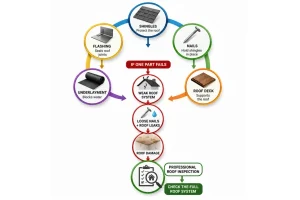
Roof nails do not work independently. The fastening system includes:
Shingles + Nails + Roof Deck + Underlayment + Flashing
If one component becomes damaged, the others may also be affected. For example, if the roof deck becomes weakened by moisture, nails may lose holding power. If shingles become brittle, they may crack around nail locations. If flashing fails, water may reach the roof deck and fasteners. This is why a professional roof inspection should evaluate the complete system rather than focusing only on visible nails.
Can Attic Heat Affect Roof Nails?
Attic conditions can influence the overall roofing system. If ventilation is inadequate, hot air can become trapped in the attic. Higher attic temperatures can increase heat exposure to the underside of roofing materials and contribute to greater temperature differences within the roof assembly. Proper ventilation helps move hot air out of the attic and allows fresh air to enter through appropriate intake points. Ventilation does not prevent outdoor heat from reaching the roof, but it can help manage attic heat and moisture.
How to Prevent Loose Roof Nails
Preventing fastening problems starts with proper installation and continues with regular maintenance. Simple steps can help protect shingles, fasteners, and the roof deck from heat, moisture, wind, and other conditions that may contribute to loose nails.
Use the Correct Roofing Nails
Roofing nails should match the roofing material, local weather conditions, and manufacturer’s requirements. Using the right nail type, length, and material helps provide reliable holding power. In areas where moisture or corrosion is a concern, corrosion-resistant fasteners can offer additional protection and help reduce premature fastening problems.
Install Nails Correctly
Nails should be installed according to the roofing manufacturer’s specifications. Proper placement and depth help maximize holding power while reducing unnecessary stress on shingles. Nails driven too deeply may damage the shingle, while nails that are not driven deeply enough can remain exposed and become more vulnerable to weather and movement.
Maintain Proper Roof Ventilation
Good roof ventilation helps manage attic temperatures and moisture levels. A properly designed ventilation system allows air to move through the attic, helping reduce excessive heat buildup and moisture accumulation. Better temperature and moisture control can help protect roofing materials, the roof deck, and fasteners from unnecessary stress.
Inspect the Roof Regularly
Regular roof inspections can identify nail pops, loose shingles, exposed fasteners, damaged flashing, and other early warning signs. Finding these issues before they become widespread can make repairs easier and help prevent leaks. Professional inspections are especially useful for older roofs or properties exposed to extreme weather conditions.
Keep Gutters Clear
Blocked gutters can contribute to water buildup around the roof edge and create moisture-related problems. Keeping gutters and downspouts clear allows rainwater to drain efficiently away from the roofing system. Proper drainage helps protect the roof deck and reduces the chance of moisture reaching fasteners or weakening the materials around them.
Repair Leaks Quickly
A small roof leak can eventually damage the roof deck, underlayment, shingles, and surrounding materials. When decking becomes weak or deteriorated, nails may lose their holding power. Prompt leak repairs can help prevent secondary damage and reduce the risk of loose fasteners, damaged shingles, and more expensive roofing repairs.
What Should You Do If You Find a Loose Roof Nail?
Do not simply hammer the nail down and assume the problem is solved. The nail may have become loose because of an underlying issue. A roofing professional can determine:
- Why the nail moved
- Whether the shingle is damaged
- Whether the roof deck is sound
- Whether moisture is present
- Whether nearby fasteners are also affected
- Whether additional repairs are necessary
In some cases, the nail may need to be replaced or repositioned, and the surrounding roofing material may need repair.
Should Loose Roof Nails Be Repaired Immediately?
Loose or exposed nails should be addressed promptly to help protect the roof from further damage. Roof nails become loose when repeated heat, temperature changes, moisture, or installation issues weaken their grip. Even a small fastening problem can create an opening where rainwater may enter beneath shingles and reach the roof deck. During heavy rain or strong winds, loose shingles can become more vulnerable to lifting, tearing, or blowing away. Ignoring the issue may allow moisture damage to spread and increase repair costs. A professional roofer can inspect the area, secure loose nails, replace damaged fasteners, and check nearby shingles for additional problems.
Can Loose Nails Mean You Need a New Roof?
Not necessarily. One or two loose nails do not automatically mean the roof needs replacement. The decision depends on the overall condition of the roofing system. A repair may be appropriate when:
- Only a few fasteners are affected
- Shingles remain in good condition
- The roof deck is sound
- There are no widespread leaks
- The roof is relatively young
Replacement may be considered when:
- Fastening problems are widespread
- Shingles are extensively deteriorated
- The roof has repeated leaks
- The roof deck has significant damage
- The roof is near the end of its service life
A professional inspection can help determine the appropriate solution.
How Often Should a Roof Be Inspected in Hot Weather?
Roofs exposed to extreme heat should be monitored regularly. The appropriate inspection schedule depends on the roof’s age, material, installation quality, and local climate. Additional inspections can be useful after:
- Severe storms
- High winds
- Long periods of extreme heat
- Heavy rainfall
- Major temperature changes
Older roofs generally require closer attention than newer roofs.
Frequently Asked Questions
Why do roof nails become loose in hot weather?
Roof nails can become loose as roofing materials repeatedly expand during hot weather and contract as temperatures cool. Over many temperature cycles, this movement can place stress around fasteners. Aging shingles, poor installation, moisture, damaged decking, and corrosion can make the problem worse. Strong heat can also dry and weaken some roofing materials, allowing small movements around nail locations. If nails were not installed at the correct depth or position, repeated expansion and contraction may gradually reduce their holding strength and create areas where shingles can lift or shift.
Can heat cause nail pops?
Yes. Thermal movement can contribute to nail pops, particularly when combined with improper installation, roof deck movement, or aging roofing materials. A nail pop appears as a raised area or visible fastener on the roof surface. Hot temperatures can increase movement between shingles and the roof deck, placing additional pressure on improperly seated nails. Nail pops may also develop when the roof deck expands, contracts, or becomes slightly uneven. If several nail pops appear, the roof should be inspected to identify the underlying cause.
How can I tell if my roof has loose nails?
Signs may include raised shingles, nail pops, exposed nail heads, loose or moving shingles, missing shingles, rust around fasteners, or unexplained leaks. Some loose nails are not visible from the ground, so a professional inspection may be necessary. You may also notice shingles that appear uneven or sections of the roof that do not lie flat. However, many fastening problems develop beneath the shingles and cannot be identified safely from the ground. A qualified roofing professional can inspect the roof surface and determine whether loose nails are causing a larger issue.
Are some roofing nails better for hot climates?
The appropriate fastener depends on the roofing material, local climate, roof design, and manufacturer’s requirements. Corrosion-resistant fasteners may be important in humid or coastal environments. Using the correct nail type, length, and placement is more important than simply choosing a nail marketed for hot weather. Proper installation is especially important in areas exposed to strong sunlight and high temperatures. Roofing nails should meet the requirements for the specific roofing system and should be installed at the manufacturer’s recommended depth and location. Choosing suitable fasteners can help improve roof performance and reduce the risk of premature fastening problems.
How does extreme heat affect roof fasteners?
Extreme heat contributes to thermal movement throughout the roofing system. As shingles, decking, and other materials expand and contract, fasteners can experience repeated stress. Over time, this movement can contribute to loosening, particularly when installation or material conditions are already compromised.
Final Thoughts
Understanding why roof nails become loose over time in hot weather can help homeowners recognize an often-overlooked roofing problem. High temperatures cause roofing materials to expand, while cooler temperatures cause them to contract. This repeated movement can place stress on shingles, nails, roof decking, and other components. Over time, aging materials, poor installation, moisture, corrosion, and inadequate ventilation can make fastening problems worse.
Loose nails should not be ignored, especially when they are accompanied by raised shingles, exposed fasteners, missing shingles, leaks, or signs of roof deck deterioration. Regular inspections, proper installation, appropriate fasteners, good ventilation, and timely repairs can help keep the roofing system secure. If you notice nail pops or loose roofing materials, have the area inspected rather than simply hammering the nail back down. Finding the reason behind the problem is important for preventing it from returning.