
Why does a roof that appears strong in dry weather suddenly begin to leak when heavy rain arrives? Why Roof Leaks During Heavy Rain is a common question among homeowners, and the answer lies in small, often invisible weaknesses that water can easily exploit under pressure. Heavy rain often exposes hidden issues such as worn flashing, aged waterproof membranes, and poorly aligned roofing materials that normally stay unnoticed, allowing water to seep through layers of protection and gradually enter attic spaces or ceiling structures inside homes. Even a well-maintained roof can develop vulnerable areas over time due to weather exposure, temperature changes, and natural material aging, making heavy storms the first real test of its ability to keep water out.
During intense rainfall, water does not simply fall; it accumulates, flows, and seeks the easiest path into your home. Tiny cracks, damaged shingles, clogged gutters, or poor sealing around vents can quickly turn into entry points. Understanding these issues is essential, not only to stop an active leak but to prevent future damage. This guide explains why roof leaks during heavy rain, explores the most common causes of rain-related roof leaks, and provides practical, effective solutions to protect your home from costly water damage.
Understanding Why Roof Leaks During Heavy Rain Today
Heavy rain puts extra pressure on every weak point of your roof. Water moves fast and finds even the smallest opening. Old materials, poor installation, or blocked drainage can make the situation worse. Strong wind-driven rain can also push water upward under shingles, making it easier for leaks to start in hidden layers that are normally protected. Many of these problems begin as subtle Signs You Need Roof Repair, but they often go unnoticed until heavy rainfall exposes hidden weaknesses and allows water to enter your home.
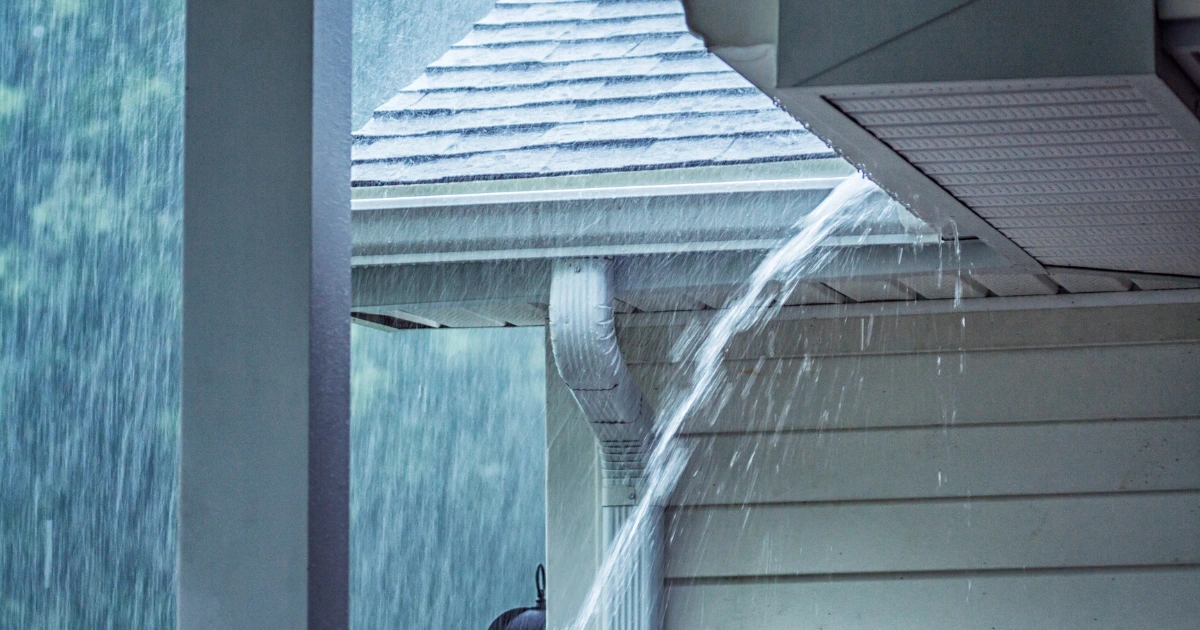
When the roof cannot push water away quickly, leaks begin inside the home. Overflowing gutters and saturated roofing materials add even more stress, allowing moisture to spread into ceilings and walls. Knowing these reasons helps you respond before damage spreads further and turns into costly structural issues. Early inspections and timely roof repairs can significantly reduce the risk of recurring leaks, protecting both your home’s structure and your long-term maintenance costs.
Main Reasons Your Roof Leaks in Heavy Rain
A roof leak does not happen without a cause. Most problems start small and slowly grow over time. Heavy rain only exposes these weak spots faster. Below are the most common reasons behind roof leaks and how they begin in simple terms.
Damaged shingles
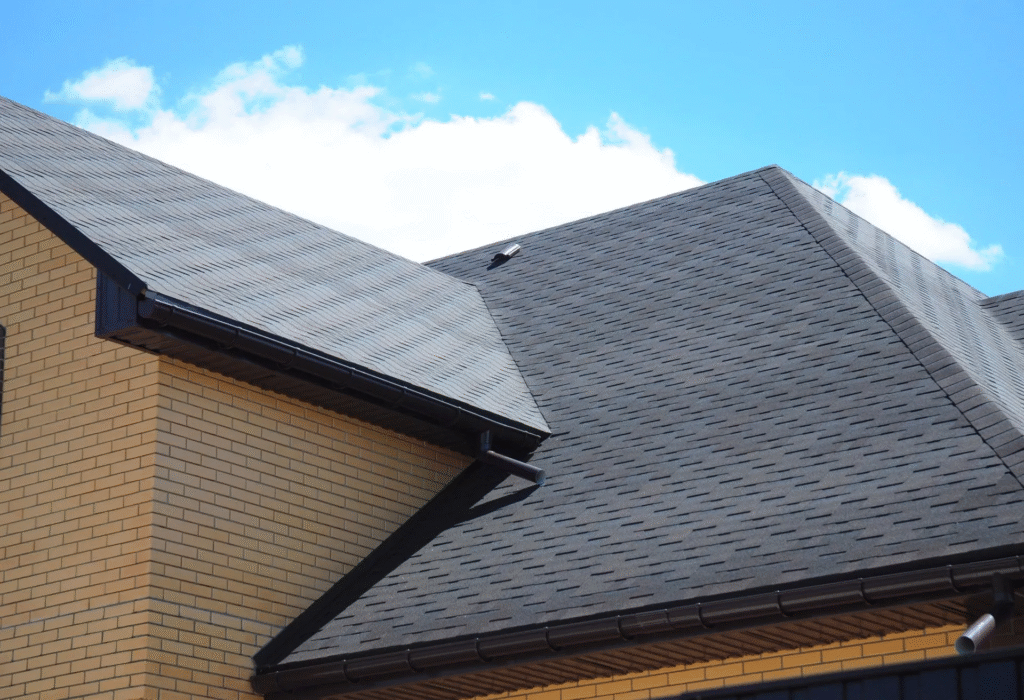
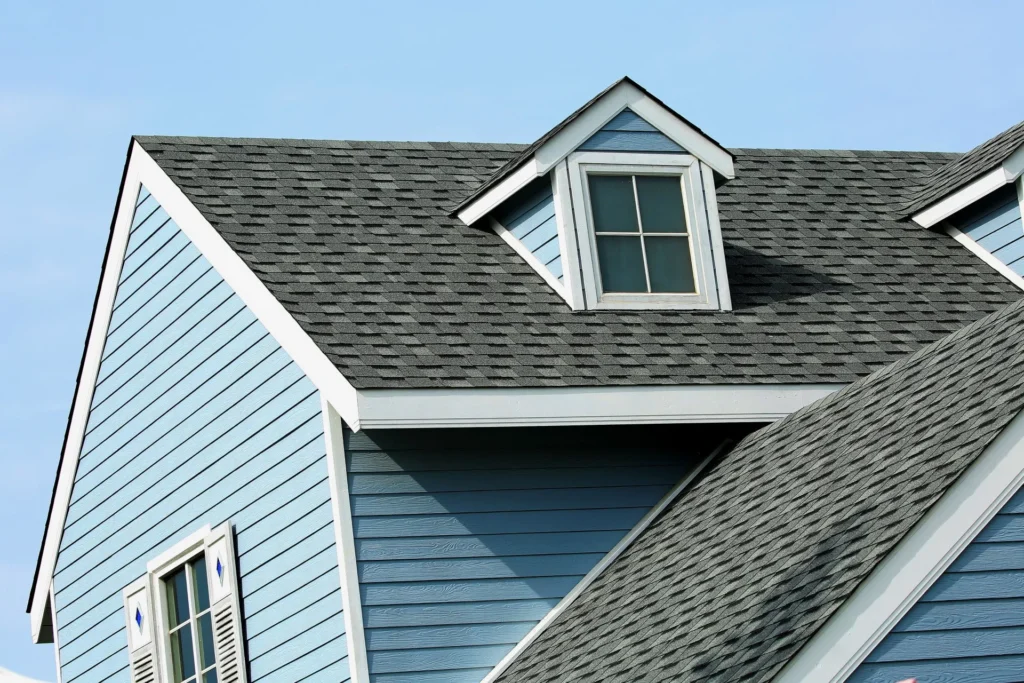
Shingles protect your roof from direct rain. When they crack, curl, or break, water can slip underneath easily. Heavy rain makes this worse by forcing water into open gaps. Even one damaged shingle can start a slow leak that spreads across your ceiling if not repaired quickly. Strong winds during storms can also lift shingles slightly, creating hidden entry points for water that may not be visible from the ground.
Broken flashing
Flashing is the thin metal placed around roof joints and edges. It blocks water from entering sensitive areas. When flashing becomes loose or rusted, rainwater finds its way inside. During heavy storms, these weak points allow steady leaking that can damage walls and ceilings fast. In many cases, improper installation or sealant failure around flashing joints also increases the risk of hidden leaks that worsen during continuous rainfall.
Clogged gutters
Roof age and wear
Quick Signs of Roof Leak Problems 

- Water stains appear on ceiling walls.
- Paint starts bubbling or peeling slowly.
- Musty smell grows stronger indoors.
- Dripping sound during heavy rain storms.
- Wet spots appear after rainfall ends.
- Mold starts forming in hidden corners.
- Ceiling feels soft or slightly weak.
- Higher indoor humidity without clear reason.
Common Leak Areas and Simple Fixes
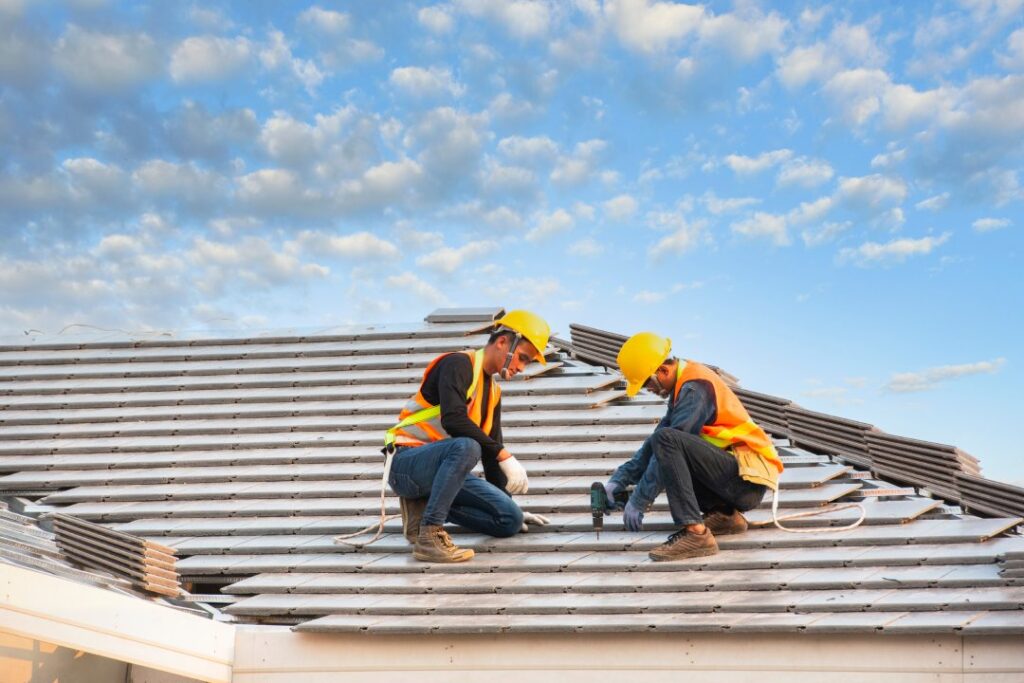
Missing shingles allow water to enter easily and should be replaced quickly. Broken flashing needs proper sealing or full replacement to stop leaks around roof edges and joints. Clogged gutters must be cleaned regularly so rainwater can flow away without backing up onto the roof. Small cracks in roofing materials can also be treated with a waterproof coating, which helps block moisture and strengthen weak areas before they become larger leak points. Understanding Why Roof Leaks During Heavy Rain can help homeowners identify these weak areas before serious damage occurs. For homes with skylights, checking the flashing and seals is especially important to prevent a skylight leaking during storms. In some cases, checking the underlayment layer is also important, as hidden damage can continue causing leaks even after surface repairs.
Why Small Roof Leaks Get Worse
| Issue | How It Gets Worse |
|---|---|
| Water Spreads Quickly | A small roof leak may seem harmless at first, but heavy rain allows water to travel through tiny openings and spread into surrounding roofing materials. |
| Insulation Damage | Moisture soaks into attic insulation, reducing its effectiveness and increasing the risk of higher energy costs. |
| Wood Rot | Continuous water exposure weakens wooden beams, roof decking, and framing, reducing the structural strength of the roof. |
| Mold and Mildew Growth | Hidden moisture creates the ideal conditions for mold and mildew, leading to unpleasant odors and potential indoor air quality problems. |
| Ceiling and Wall Damage | Water stains, peeling paint, bubbling drywall, and sagging ceilings become more noticeable as the leak continues. |
| Higher Repair Costs | What begins as a simple repair can develop into extensive restoration work if the leak is left untreated. |
| Electrical Hazards | Water can eventually reach electrical wiring, increasing the risk of short circuits and other safety concerns. |
| Shorter Roof Lifespan | Ongoing moisture damage accelerates the deterioration of roofing materials, reducing the overall lifespan of the roof and increasing the likelihood of future leaks. |
Easy Ways to Spot Roof Damage Early 
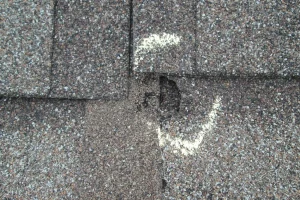
Simple Prevention Tips for Homeowners
- Inspect roof after every strong rainstorm
- Clean gutters at least twice yearly
- Replace broken shingles without delay
- Check flashing around chimneys carefully
- Trim tree branches near roof surface
- Look for ceiling stains regularly
- Seal small cracks before monsoon season
- Schedule yearly professional roof inspection
Comparing Roof Leak Causes and Solutions
Different roof problems need different fixes, and knowing the right match saves time and money. Some issues are quick repairs, while others need deeper work. Heavy rain often exposes weak spots that were already there.
| Problem | Cause | Simple Fix |
| Shingle damage | Age or storm wind | Replace broken pieces |
| Flashing issues | Rust or loosening | Seal or refit metal |
| Clogged gutters | Leaves and dirt | Clean and clear flow |
| Roof cracks | Wear and pressure | Apply waterproof sealant |
| Poor drainage | Blocked water path | Improve water flow |
| Old roof layers | Natural aging | Partial replacement |
| Loose nails | Movement over time | Re-nail and seal |
| Water pooling | Flat roof areas | Improve slope design |
How Roof Leaks Start and Spread 
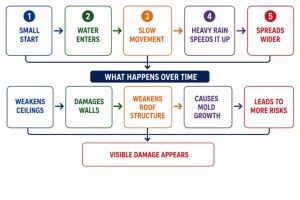
Roof leaks often begin in small hidden areas that are hard to notice. Water enters through tiny cracks and slowly moves through wood and insulation. During heavy rain, this process speeds up, spreading moisture across larger areas. Over time, it weakens ceilings, walls, and the overall roof structure if not fixed early. Because the damage usually remains hidden, homeowners may not realize a problem exists until visible stains, mold growth, or dripping water suddenly appear inside the house after a storm.
Wind-driven rain entry
Strong winds push rain sideways into small roof openings. Even tight roofs can fail under constant pressure. Once water enters, it travels along beams and spreads slowly inside the home. This makes leaks appear far from the actual damaged spot, confusing homeowners during inspection. Wind-driven rain can also force moisture beneath shingles and flashing, allowing water to bypass normal drainage paths and create hidden damage that becomes increasingly difficult to detect.
Poor roof sealing
Structural movement
Homes naturally expand and contract with temperature changes, creating small cracks in roofing materials. During heavy rain, these cracks can allow water to enter and may explain Why Roof Leaks During Heavy Rain even when the roof appears fine in dry weather. Repeated movement can make these gaps larger, leading to more frequent and severe leaks over time. Seasonal weather changes combined with aging roofing materials can accelerate this process, making routine maintenance essential for preserving the roof’s strength and preventing unexpected water damage.
Warning Signs You Should Not Ignore
- Sudden ceiling discoloration after rain.
- Water dripping in the same spot repeatedly.
- Paint peeling in multiple indoor areas.
- Wet insulation in attic spaces.
- Rust marks near roof joints.
- Increased indoor humidity levels.
- Soft patches on ceiling surface.
- Mold growth spreads slowly.
When Roof Leaks Become Serious 
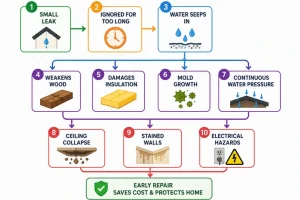
Small leaks can turn into major damage if ignored for too long. Water slowly weakens wooden structures, damages insulation, and encourages mold growth inside hidden areas of the home. This is one of the main reasons why roof leaks during heavy rain often become much more noticeable, as continuous water pressure keeps forcing moisture through the same weak points. What starts as a minor drip can eventually lead to ceiling collapse, stained walls, and even electrical hazards if moisture reaches wiring. Early repair is always cheaper and safer than waiting for visible damage, helping protect both the structure and indoor air quality before the problem becomes widespread.
Simple Fix Steps for Homeowners
Long Term Roof Care Tips 
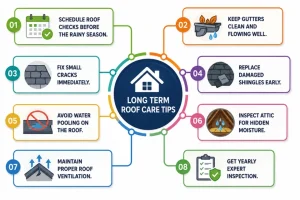
- Schedule roof checks before the rainy season.
- Keep gutters clean and flowing well.
- Fix small cracks immediately.
- Replace damaged shingles early.
- Avoid water pooling on the roof.
- Inspect attic for hidden moisture.
- Maintain proper roof ventilation.
- Get yearly expert inspection.
Frequently Asked Questions
Why does my roof only leak during heavy rain?
Heavy rain puts extra pressure on weak spots in your roof. Small cracks, loose shingles, or clogged drains may not show problems in light rain but fail under strong water flow. In addition, wind-driven rain can push water beneath shingles, making hidden defects more active and visible. This is why leaks often appear suddenly during storms even if the roof seems fine during normal weather conditions. Poor drainage or aging materials can also make this issue worse over time.
What are the most common causes of roof leaks in storms?
Blocked gutters, damaged flashing, worn shingles, and poor sealing are common causes. These issues let water enter when rain becomes intense and constant. Ice dams in colder regions and improper roof slope design can also increase the risk of leakage during storms. In many cases, multiple small issues work together, allowing water to travel deeper into the roof structure and create hidden damage before it becomes visible inside the home.
Can I fix a roof leak during heavy rain?
How can I prevent roof leaks during heavy rain in the future?
Regular roof inspections, cleaning gutters, and fixing small issues early can prevent leaks. Proper maintenance helps your roof handle heavy rain more effectively. Installing quality underlayment and ensuring proper drainage systems also add long-term protection against water intrusion. Keeping trees trimmed near the roof reduces falling leaves and debris that often block water flow. It is also important to check sealing around vents, chimneys, and skylights, as these areas are common weak points during storms. Consistent seasonal maintenance before the rainy period can greatly reduce the chances of unexpected leaks. Understanding Why Roof Leaks During Heavy Rain also helps homeowners identify potential problem areas early and take preventive measures before minor issues develop into costly roof damage.