
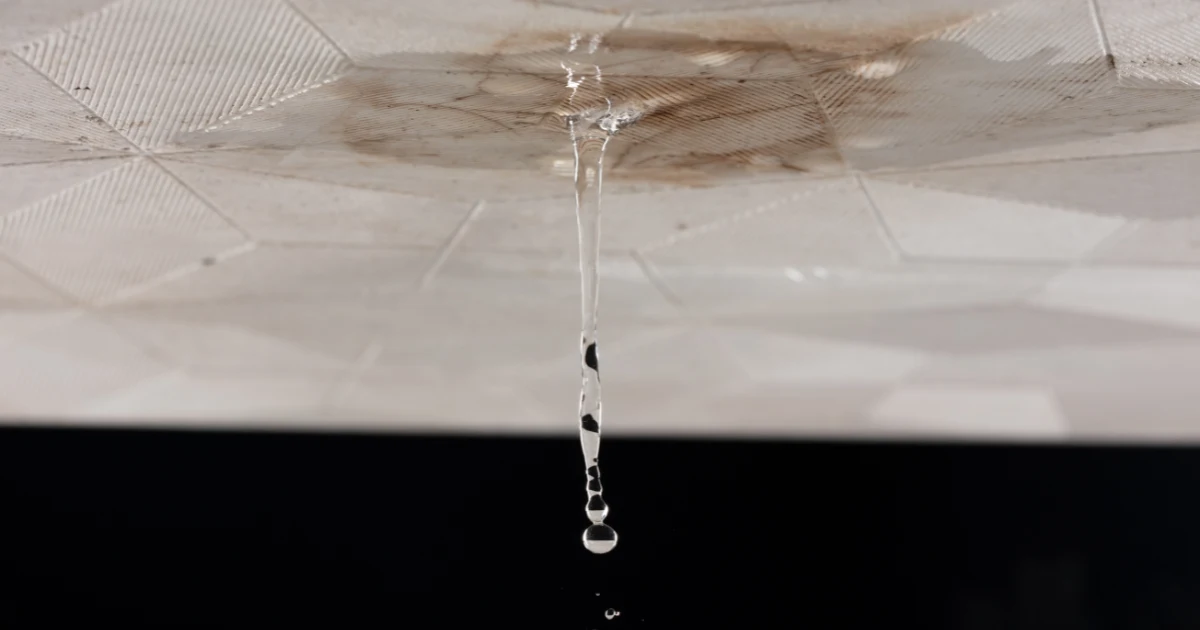
Living in a house with a leaking roof raises an immediate and practical question: is it safe to stay, or should you leave? The answer depends on the severity of the leak, how long it has been present, and whether it is affecting structural elements, electrical systems, or indoor air quality. Understanding these factors is important because some roof leaks create hidden dangers that may not be immediately visible but can quickly become more serious over time.
Even a small leak can spread water into insulation, ceilings, walls, and wooden supports without showing major visible signs at first. As moisture builds inside hidden areas, it can weaken materials, encourage mold growth, and increase the chances of expensive repairs in multiple parts of the home. Water may also travel away from the original entry point, making the damage difficult to locate and allowing deterioration to continue behind finished surfaces for weeks or even months.
While a minor drip may seem manageable, hidden damage can develop quickly beneath the surface. Understanding the risks helps you make a decision that protects both your safety and your property from further harm.
Understanding the Risk Behind a Roof Leak
A leaking roof is rarely just a surface issue. Water intrusion travels through insulation, wood, and wiring paths, often spreading far beyond the visible drip. In many homes, moisture can remain trapped inside ceilings and wall cavities for days without immediate warning signs. This hidden dampness may slowly damage drywall, weaken wooden framing, and reduce the effectiveness of insulation, making the entire roofing problem more difficult and expensive to repair later. Regular Roof Maintenance can help identify small vulnerabilities early and prevent minor issues from developing into extensive water damage.
What appears minor can compromise structural stability, create electrical hazards, and encourage biological growth. Evaluating the real risk requires looking beyond the ceiling stain and considering how moisture behaves within enclosed building systems..
When Staying Might Be Temporarily Safe

In limited situations, remaining in the house may be reasonable for a short time, provided the leak is controlled and isolated. However, this should never replace proper repair. After severe weather, a professional inspection is especially important because a hail damage roof may have hidden issues that are not immediately visible from inside the home.
Minor and Contained Leaks: If water enters through a small, localized point and is actively contained, the immediate risk remains low. Using buckets or temporary sealants can reduce short-term damage, though this does not eliminate underlying structural exposure.
No Electrical Exposure: A leak far from wiring, outlets, or fixtures reduces the risk of electrical danger. Water and electricity create serious hazards, so even a small leak becomes unsafe if it approaches circuits or appliances.
No Structural Weakness: If ceilings, beams, and attic framing show no signs of sagging or softening, the structure may still be stable. Any visible deformation, however, signals a deeper issue that requires immediate attention.
Dry Indoor Conditions: If humidity levels remain stable and no musty odors or mold signs appear, the indoor environment is less compromised. Persistent moisture changes this quickly, often within days.
Warning Signs It Is Unsafe to Stay in a House With a Leaking Roof
Critical Risks of Staying in a Leaking Home
Ignoring a leaking roof exposes your home and health to multiple escalating risks that often develop silently behind walls, ceilings, and insulation layers over time.
Water intrusion can weaken structural components such as beams and joists, reducing overall roof strength and increasing the chance of sagging or collapse in severe cases. It can also create dangerous electrical hazards when moisture reaches wiring or fixtures, raising the risk of short circuits or fire. In addition, damp conditions provide an ideal environment for mold and mildew, which can spread rapidly and affect indoor air quality, leading to breathing problems and long-term health concerns.
Electrical Hazards
A House With a Leaking Roof can become a serious electrical hazard faster than most homeowners expect. Water infiltration near electrical systems can cause short circuits or fire risks. Even hidden moisture behind walls can reach wiring, making the environment unpredictable and dangerous without visible warning signs. If ignored, the damage can spread to outlets, switches, and electrical connections, increasing the risk of costly repairs and safety hazards. Moisture may also cause corrosion and electrical failures that remain hidden until a dangerous problem suddenly develops.
Structural Damage
A House With a Leaking Roof can slowly weaken the structure before obvious warning signs appear. Prolonged exposure to water weakens wood framing and roof decking. This gradually reduces load-bearing capacity and may lead to partial ceiling collapse or significant deformation. Continuous moisture also accelerates wood rot and corrosion, allowing structural damage to spread throughout the home over time. The longer water remains present, the greater the possibility of weakened supports, sagging ceilings, and expensive structural repairs.
Mold Growth
Moist conditions provide an ideal environment for mold spores. Once established, mold spreads quickly through insulation and drywall, affecting both air quality and long-term health. If untreated, it can penetrate deeper structural materials and become significantly harder and more costly to remove completely. Hidden mold colonies may also trigger allergies, breathing discomfort, unpleasant odors, and contamination in enclosed indoor spaces where airflow and ventilation remain limited for long periods.
Insulation Failure
Wet insulation loses its thermal resistance and begins to degrade. This not only increases energy costs but also traps moisture, accelerating further damage inside walls and ceilings. Saturated insulation can also contribute to persistent indoor humidity and secondary moisture-related issues. Damaged insulation may further reduce indoor comfort by allowing temperature fluctuations, drafts, and condensation buildup that place additional stress on nearby building materials and surfaces.
Interior Damage
Water stains, peeling paint, and warped surfaces indicate deeper penetration. Interior finishes often reveal damage late, meaning structural elements may already be compromised. Continued exposure can also ruin flooring, weaken wall materials, and create widespread cosmetic and functional deterioration indoors.
Increased Repair Costs
Delaying repairs almost always increases restoration costs. What begins as a small repair can escalate into full roof replacement or structural rebuilding if ignored. Additional expenses may include mold remediation, electrical repairs, insulation replacement, and interior restoration, making early action the most cost-effective solution. Acting quickly can limit the affected area, reduce secondary damage, and help homeowners avoid significantly higher restoration expenses later.
Health Concerns
Excess moisture inside a home can affect more than just the building itself. Damp environments contribute to respiratory issues and allergic reactions. Long-term exposure to mold spores or mildew can affect occupants, especially children and older adults. Poor indoor air quality may also cause ongoing discomfort and health concerns. People with existing sensitivities may experience increased irritation, congestion, or breathing discomfort when moisture and mold remain untreated for extended periods.
Reduced Property Safety
A damaged roof can compromise the safety of the entire property. A compromised roof affects the overall integrity of the home. Safety risks increase as damage spreads, making the property less secure with continued exposure. During severe weather, weakened structural components become even more vulnerable to additional damage. Loose roofing materials, weakened ceilings, and deteriorating supports can create serious hazards for occupants, especially during heavy rain or strong winds.
Immediate Actions You Should Take 
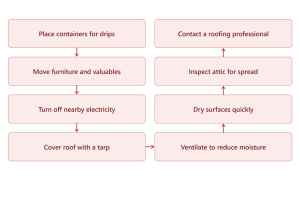
Act quickly to reduce water spread and limit interior exposure
- Place containers to catch dripping water immediately.
- Move furniture and valuables away from affected areas.
- Turn off electricity near leak zones for safety.
- Use tarps or covers for temporary roof protection.
- Ventilate the space to reduce moisture buildup.
- Dry affected surfaces as quickly as possible.
- Inspect attic for hidden water spread.
- Contact a professional roofing service promptly.
Why Quick Repairs Are Essential
Delaying roof repair increases both visible and hidden damage. Water continues to travel through structural layers, often reaching areas not immediately visible. Early repair limits material deterioration, reduces health risks, and prevents costly reconstruction. Addressing the issue promptly ensures the home remains stable, safe, and easier to restore without long-term consequences.
How Leaks Affect Long-Term Home Stability
Persistent leaks gradually weaken the entire roofing system. Moisture alters the integrity of wood, corrodes fasteners, and reduces the effectiveness of protective layers. This leads to uneven load distribution and potential structural failure. Long-term stability depends on eliminating the source of water intrusion before damage becomes irreversible. If ignored, continuous exposure can also compromise foundational connections, accelerate material decay, and significantly shorten the overall lifespan of the entire roofing structure and supporting framework.
Comparing Temporary Stay vs Immediate Evacuation
Deciding whether to stay or leave depends on risk severity, not convenience. A minor, controlled leak may allow short-term occupancy, while widespread or hazardous conditions require immediate relocation. Evaluating structural integrity, electrical exposure, and indoor air quality helps determine the safest course of action for occupants.
Temporary Fixes Are Not Permanent Solutions 
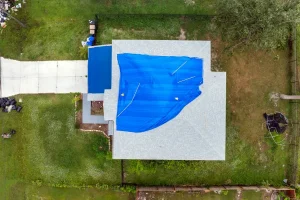
Short-term measures can reduce immediate impact but do not resolve the root problem. Relying on temporary fixes often leads to delayed repairs and increased damage. Hidden moisture continues to spread, weakening structural components and making future repairs more complex, costly, and time-consuming than early intervention would require. What appears to be a successful quick fix may only hide the warning signs while the underlying roof damage continues getting worse.
Surface Patching
Applying sealants may slow water entry but does not address underlying weaknesses in roofing materials or structure. These patches often fail under weather stress, allowing water to re-enter and continue damaging deeper layers that remain untreated beneath the surface. Without identifying and repairing the actual source of the leak, repeated patching can create a cycle of temporary repairs and increasingly expensive restoration work.
Water Collection Methods
Buckets and containers help manage leaks temporarily but allow moisture to continue spreading within hidden layers. While they protect interior surfaces, they do nothing to stop water intrusion above, where structural and insulation damage continues to worsen. These methods may reduce visible dripping but cannot prevent water from entering ceilings, walls, insulation, and other vulnerable areas throughout the property.
Frequent emptying can also create a false sense of control, while humidity levels in the room continue to rise, increasing the likelihood of mold growth and hidden staining inside ceilings and wall materials that may go unnoticed until significant repair is needed. Over time, trapped moisture can create unpleasant odors, weaken building materials, and increase restoration costs if the original leak remains untreated for too long.
Plastic Covering
Covering affected areas limits direct exposure but cannot prevent internal water migration through roofing components. Water can still travel along decking and framing, causing unseen deterioration that progresses even when the visible leak appears controlled. Although plastic coverings may provide temporary protection from additional rainfall, they cannot repair damaged roofing materials or stop moisture already trapped inside the structure from spreading further.
Situations That Require Immediate Exit 

- Water reaching electrical wiring or outlets
- Rapid ceiling sagging or deformation
- Strong mold odor spreading indoors
- Multiple leak points across the house
- Structural cracks appearing suddenly
- Continuous heavy water intrusion
- Unsafe attic conditions with visible damage
- Any signs of ceiling collapse risk
The Hidden Cost of Ignoring Roof Leaks
Ignoring a leak leads to compounded structural and financial damage. Moisture spreads silently through insulation and framing, weakening materials and increasing repair complexity. This results in higher restoration costs, potential health hazards, and reduced property value that far exceeds early repair expenses.
When we ignore early warning signs, we often allow hidden damage to grow inside walls and ceilings without noticing it. We may only realize the extent of the problem when stains spread, odors appear, or repairs become far more extensive than expected, turning a small issue into a major restoration project.
Professional Inspection Makes the Difference
A qualified inspection identifies the true source and extent of the leak. Professionals assess structural integrity, moisture spread, and hidden damage areas. This ensures accurate repair, preventing recurring issues and safeguarding the home from further deterioration. We also gain a clear understanding of whether immediate repairs are needed or if temporary protection measures can reduce damage until full restoration is possible, helping us make safer and more cost-effective decisions for the home.
What Professionals Typically Check
A professional roof inspection goes beyond visible damage to uncover hidden issues that may compromise safety and durability. Experts assess both exterior and interior components to determine the full extent of water intrusion, structural impact, and system performance. This detailed evaluation ensures accurate diagnosis and helps prevent recurring problems that simple surface repairs often fail to resolve.
Roof Surface Condition: Inspecting shingles, flashing, and joints for visible damage or wear. Professionals also look for granule loss, cracks, and lifting edges that may allow water penetration and indicate aging or weakened roofing materials requiring timely repair or replacement.
Structural Integrity: Evaluating rafters, beams, and decking for signs of weakness or decay. Inspectors check for sagging, warping, or soft wood that may indicate prolonged moisture exposure and reduced load-bearing capacity within the roofing framework.
Moisture Penetration: Identifying hidden water paths within insulation and wall cavities. Professionals use experience and tools to trace moisture movement, detecting trapped water that may not be visible but continues to damage internal structures and weaken materials gradually.
Ventilation Systems: Checking airflow efficiency to prevent heat and moisture buildup. Proper ventilation helps regulate temperature, reduce condensation, and protect roofing materials from premature deterioration caused by trapped heat and excess humidity.
Making the Right Decision for Safety
Choosing whether to stay in a house with a leaking roof depends on risk awareness and timely action. Safety should always take priority over convenience. Even minor leaks require attention, as conditions can change rapidly under continued exposure to water and environmental stress.
Frequently Asked Questions
Can a small roof leak become dangerous?
Yes, even minor leaks can spread moisture into structural components, leading to mold growth and weakening of materials over time. What begins as a small drip can expand into hidden damage, affecting insulation, wood framing, and indoor air quality if not addressed early.
Additional risks to consider include:
- Electrical wiring exposure that may increase fire hazards if moisture reaches outlets or circuits.
- Ceiling collapse risks if water accumulates in weakened drywall or plaster.
- Higher repair costs when damage spreads beyond the initial leak point.
- Persistent dampness that can attract pests and worsen indoor living conditions.
- Reduced energy efficiency due to damaged or soaked insulation materials.
Is it safe to sleep in a room with a roof leak?
It depends on location and severity. If electrical systems or ceiling stability are affected, it is not safe. Even in mild cases, prolonged exposure to moisture can create discomfort, increase humidity, and introduce potential health concerns over time. Mold spores, musty odors, and weakened ceiling materials may also develop, especially if ventilation is poor or the leak continues during rainfall.
How quickly should a leaking roof be repaired?
Can mold start from a roof leak?
Yes, mold can begin developing within 24 to 48 hours in moist conditions caused by leaks. A House With a Leaking Roof can create the ideal environment for mold growth when moisture remains trapped inside ceilings, walls, and insulation. Once it forms, mold can spread quickly, making removal more difficult and potentially affecting indoor air quality and occupant health. If moisture remains untreated, hidden mold may continue growing unnoticed, creating persistent odors, allergy symptoms, and additional damage that may require professional remediation.
Final Thought
Staying in A House With a Leaking Roof is sometimes possible, but it is rarely advisable without careful assessment. What seems like a minor inconvenience can quickly evolve into a serious safety issue involving structural damage, electrical hazards, and health concerns when early warning signs are ignored.
Temporary measures may reduce immediate damage, but they do not solve the underlying problem or stop moisture from spreading through hidden areas. Buckets, plastic coverings, and surface patches may provide short-term relief, but they cannot replace proper inspection and professional repairs.
Ignoring warning signs often leads to more expensive repairs and longer recovery times once professional work begins. A proper inspection helps determine the severity of the damage and ensures the right solution is applied at the right time. Safety should always be the priority when deciding whether to remain inside or seek temporary relocation during repair work. Act quickly to prevent further damage, protect your property, and keep everyone inside the home safe.