
Emergency roof damage can happen without warning, especially after heavy rain, storms, or strong winds, leaving homeowners asking, how quickly can a roofer fix emergency damage? In most cases, the repair time depends on how serious the damage is, the weather, the type of roof, and how quickly a professional roofer can arrive. A roofing expert may be able to provide temporary protection within a few hours to prevent water from entering the home, while permanent repairs can often take one to three days.
Before starting the repair, experienced roofers inspect the damaged area and surrounding sections to find hidden problems that may not be visible at first. They may also check for damaged shingles, flashing, roof decking, or signs of water intrusion. Acting quickly can prevent a small leak from turning into costly structural damage, mold growth, insulation problems, or interior damage. Knowing what to expect can help homeowners stay calm, understand the repair timeline, and make confident decisions during a roofing emergency.
What Counts as Emergency Roof Damage?
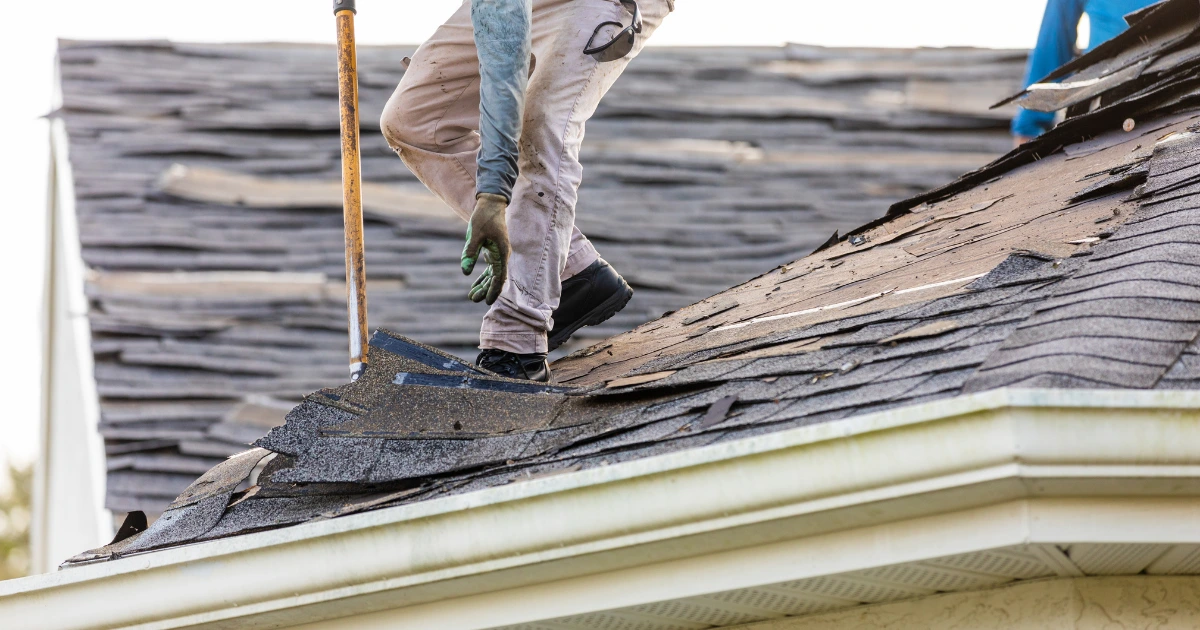
Emergency roof damage is any roofing problem that requires quick attention to protect your home and prevent the situation from getting worse. Common examples include active leaks, missing or broken shingles, storm damage, sagging roof areas, and holes caused by strong winds or falling debris. When water is entering your home or the roof appears structurally unsafe, calling a professional roofer should be a priority. The sooner the damage is inspected, the easier it may be to control the problem and begin emergency repairs.
Knowing what qualifies as an emergency also helps homeowners understand how quickly can a roofer fix emergency damage? Minor issues may be temporarily secured within a few hours, while more serious damage can require several days for complete repairs. Fallen tree branches, damaged flashing, exposed roof decking, and large openings can allow water to reach ceilings, walls, insulation, and electrical components.
Watch for warning signs such as active dripping, new ceiling stains, damp spots, sagging areas, or unusual drafts. These problems can point to hidden roof damage that may worsen quickly. Getting professional help early can reduce further damage, limit repair costs, and help restore your home safely.
How Fast Can a Roofer Respond? 
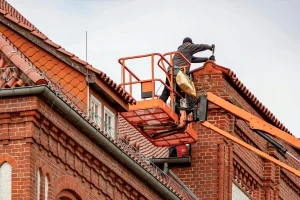
A skilled roofer often responds within a few hours, especially for urgent cases. Many companies offer 24/7 emergency services. Their main goal is to stop further damage quickly, even if a full repair must wait for better weather or daylight.
Response times can also depend on local demand after major storms or hurricanes when many homes are damaged at once. Professional roofing companies usually prioritize the most severe cases first to protect families from immediate danger. During the first visit, roofers often inspect the damage, explain the problem, and create a temporary plan to reduce water intrusion while preparing materials and equipment for permanent repairs as soon as conditions safely allow.
Same-Day Temporary Repairs
Most roofers can provide a quick fix on the same day. This may include covering the damaged area with a tarp to stop water from entering your home until a full repair is done.
Temporary repairs are very important because they help reduce interior damage while waiting for permanent restoration. Roofers may also seal leaks, remove loose debris, secure exposed materials, or reinforce weak sections of the roof to improve safety. These quick solutions are designed to protect furniture, ceilings, insulation, and personal belongings from additional water damage. Homeowners should still schedule full repairs quickly because temporary fixes are not intended to last for long periods of time.
Full Repairs Within Days
If the damage is not too large, full repairs can often be completed within one to three days. The exact time depends on materials, weather, and how easy it is to access the roof. Larger projects may require additional inspection, permits, and coordination with suppliers before final completion ensuring long-lasting durable results guaranteed quality.
The repair timeline may also increase if special roofing materials need to be ordered or if hidden structural damage is discovered during inspection. Professional roofers carefully check decking, underlayment, flashing, and ventilation systems before finishing the project. A complete repair not only fixes visible damage but also strengthens the roof against future storms and leaks. Proper workmanship and quality materials help homeowners avoid repeated problems and provide better long-term protection for the entire property.
Weather Can Cause Delays
Size and Type of Damage
Small issues like a few missing shingles are fixed quickly. Larger damage, such as structural issues, will take more time and careful work to repair properly.
The type of roofing material also affects how quickly repairs can be completed. Asphalt shingles are usually faster to replace, while tile, slate, or metal roofing systems may require specialized tools and experienced workers. Structural damage involving rafters, decking, or support beams often needs deeper inspection and rebuilding before surface repairs begin. Roofers must ensure every damaged section is properly restored to maintain the safety, strength, and long-term durability of the entire roofing system.
 Key Factors That Affect Repair Time
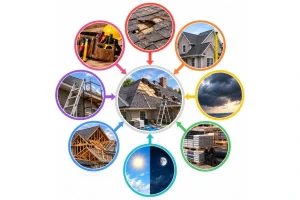 Key Factors That Affect Repair Time
- Type of damage and its severity.
- Size and height of the roof.
- Weather conditions during repair.
- Availability of roofing materials.
- Time of day when damage occurs.
- Roof design and structure complexity.
- Access to the damaged area.
- Experience level of the roofer.
Detailed Factors Explained
Type of Damage : Minor damage like loose shingles is quick to fix. Major damage like holes or structural issues takes longer and needs careful inspection before repair begins.
Roof Size: Larger roofs need more time because there is more area to inspect and repair. Small homes usually get faster service compared to big commercial buildings.
Weather Conditions ” Rain, wind, or storms can delay work. Roofers may apply a temporary fix first and return later when it is safe to complete the full repair.
Material Availability : If special materials are needed, the repair may take longer. Common materials allow faster fixes, while rare items may need to be ordered.
Time of Damage : Damage at night or during weekends may still get a quick response, but full repairs might start the next working day depending on conditions.
Roof Design: Complex roof designs with slopes and angles take more time. Simple, flat roofs are easier and quicker to repair.
Access to Roof: If the roof is hard to reach, it can slow down the process. Easy access helps roofers start and finish work faster.
Roofer Experience : Experienced roofers can quickly identify problems and fix them faster. Skilled teams work more efficiently and safely.
Quick Actions You Should Take
If you notice a leak or damage, act fast. Move valuable items away from the affected area and place a bucket to catch water. Try to limit water spread inside your home. Then call a professional roofer right away for help.
- Move furniture away from the leaking area quickly.
- Use buckets to collect dripping water safely.
- Cover valuables with plastic sheets to prevent damage.
- Turn off electricity near affected areas if needed.
- Take photos for insurance claim proof.
- Call a roofer immediately for emergency help.
- Avoid climbing roof during bad weather conditions.
- Keep children and pets away from danger areas.
Why Fast Repair Matters
Quick roof repair helps protect your home from serious damage. Water can weaken walls, ceilings, and even the foundation if left untreated. Fast action also reduces repair costs and prevents mold growth. The sooner you fix the issue, the safer your home will be.
Delaying roof repairs can also damage insulation, electrical systems, flooring, and valuable personal belongings inside the house. Small leaks often spread faster than homeowners expect, especially during continued rain or storms. Immediate repair helps maintain the strength of the home and prevents minor issues from turning into expensive structural problems. Fast professional service also gives homeowners peace of mind by reducing stress and lowering the risk of long-term moisture damage throughout the property.
Temporary vs Permanent Repairs 
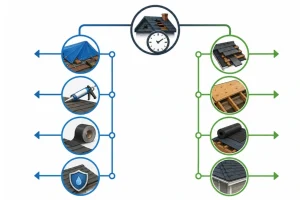
Temporary repairs are quick fixes used to stop immediate damage and prevent further issues. These often include using tarps, sealants, or simple coverings to block water entry and protect the structure until a more thorough solution can be arranged.
Signs You Need Emergency Roofing Help
- Water leaking inside your home during heavy rain, especially when leaks spread quickly or begin damaging ceilings, walls, insulation, or other interior areas.
- Large sections of shingles are missing after a storm, leaving the roof exposed to rain, wind, and further damage that may require immediate professional attention.
- Visible holes or cracks on your roof surface, which can allow water to enter and cause damage to the roof deck, underlayment, insulation, or interior spaces.
- Sagging roof areas that look unsafe and may indicate serious structural damage, trapped moisture, weakened decking, or other problems requiring urgent inspection and repair.
- Ceiling stains growing quickly or spreading, often signaling an active roof leak that could worsen rapidly and cause additional water damage inside your home.
- Debris like tree branches damaging your roof, especially when they puncture shingles, break roofing materials, damage flashing, or create openings that allow water to enter.
- Strong wind causing roof materials to loosen, shift, or lift, creating exposed areas that can allow rainwater inside and increase the risk of further storm damage.
- Sudden increase in indoor humidity levels, which may point to hidden moisture entering through the roof and creating conditions that can affect ceilings, walls, or insulation.
- Daylight visible through roof boards or attic, indicating holes, gaps, or damaged roofing materials that may allow water, wind, and outside debris to enter your home.
- Unusual sounds coming from roof during storms, such as cracking, popping, or movement, which may signal loose materials or structural concerns that need prompt inspection.
Estimated Time for Emergency Roof Repairs
The time needed to fix emergency roof damage can vary based on the problem. Small repairs may take a few hours, while larger issues can take a few days. Weather, materials, and roof size all play a role. Below is a simple table to help you understand common repair times.
| Type of Damage | Estimated Time |
| Minor leaks | 1 to 3 hours |
| Missing shingles | 2 to 6 hours |
| Small holes | 3 to 8 hours |
| Moderate storm damage | 1 to 2 days |
| Structural damage | 3 to 7 days or more |
What Happens During Emergency Repair?
Emergency roof repair follows a clear process to ensure safety and quick results. Roofers first inspect the damage and then take steps to stop further harm. After that, they plan and complete the full repair work carefully.
Professional roofing teams also focus on protecting the home during every stage of the process. They work carefully to reduce safety risks, prevent additional leaks, and secure damaged areas before conditions worsen. Clear communication is important during emergency repairs because homeowners need to understand the damage, repair timeline, estimated costs, and any temporary safety precautions that should be followed until all work is fully completed.
Initial Roof Inspection
The roofer checks the entire roof to find all damaged areas. This step helps them understand how serious the issue is and what tools and materials are needed for the repair. They also look for hidden leaks, weak spots, and signs of long-term structural damage before planning the next steps carefully and safely.
During the inspection, roofers may also examine gutters, flashing, vents, skylights, and attic spaces to identify moisture buildup or hidden water entry points. Careful inspection helps prevent missing small problems that could later turn into expensive repairs. Experienced professionals often take photos or provide reports so homeowners can clearly see the condition of the roof and better understand the repair process before work officially begins on the damaged sections.
Temporary Protection
Final Repair Work
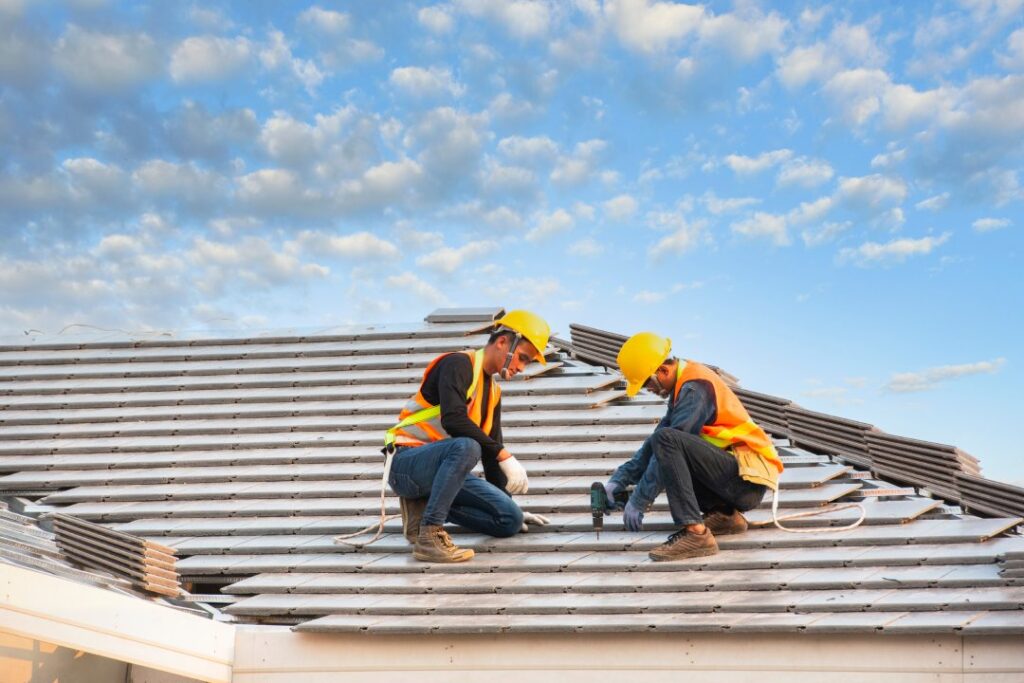
Once conditions are safe, roofers complete the repair. They replace damaged parts and make sure everything is sealed properly to prevent future problems. Final repairs may include replacing shingles, repairing flashing, fixing roof decking, sealing leaks, or restoring damaged structural sections. In cases where the damage is too severe to repair, a roof replacement may be recommended to restore the roof’s strength and protection. Professional roofers also inspect nearby areas to ensure the entire roofing system works correctly after repairs are complete. Quality workmanship is important because poor installation can lead to future leaks and costly damage. After finishing the repair, many roofing companies perform a final inspection to confirm the roof is secure, weather-resistant, and ready to protect the home long term.
Common Emergency Roofing Services 
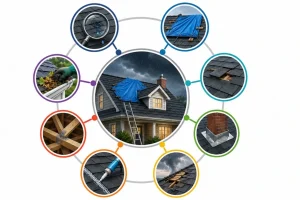
- Leak detection and quick repair solutions.
- Temporary tarping to prevent water entry.
- Shingle replacement for damaged roof areas.
- Flashing repair around vents and chimneys.
- Storm damage inspection and restoration.
- Roof sealing to block small cracks fast.
- Structural repair for serious roof issues.
- Gutter cleaning to improve water flow.
Cost and Time Balance
Emergency repairs can cost more because they need fast action and quick service. However, fixing the problem early can save money in the long run. Small repairs are always cheaper than major replacements caused by delays.
The total cost usually depends on the size of the damage, roofing materials, labor needs, and how quickly the repair must be completed. Emergency services may include extra charges for after-hours work, severe weather conditions, or immediate temporary protection. Even with higher emergency costs, early repairs help homeowners avoid expensive structural damage, mold removal, ceiling repairs, and interior restoration. Investing in quick professional repairs often reduces long-term expenses and protects the overall value and safety of the property.
Choosing the Right Roofer
- Choose a roofer with proven experience in handling emergency roof repairs.
- Look for a professional who can respond quickly to minimize further damage.
- Make sure they have proper licensing and insurance for safe, reliable work.
- Check customer reviews to understand their reputation and service quality.
- Select someone who delivers long-lasting repairs to prevent future issues.
Tips to Speed Up Roof Repair 
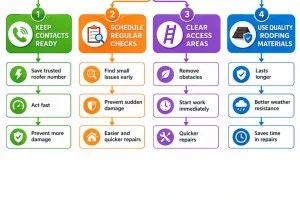
Planning ahead can help speed up emergency repairs and give homeowners a better idea of how quickly can a roofer fix emergency damage. Keeping contact details of a trusted roofer and doing regular roof checks can make a big difference when damage happens. Also, clearing the affected area quickly, documenting the damage with photos, and responding promptly to warning signs can help roofers assess and start repairs faster. Having basic temporary repair materials like tarps ready can also reduce waiting time during emergencies.
Providing the roofer with clear photos, the location of the damage, and details about when the problem started can make the inspection more efficient. Quick communication also helps the roofer bring the right tools and materials, reducing delays once repair work begins.
Keep Emergency Contacts Ready
Schedule Regular Roof Checks
Routine inspections can catch small issues early. This reduces the chance of sudden damage and makes repairs quicker and easier. Regular checks can also identify loose shingles, damaged flashing, small leaks, or weak areas before they become serious problems. Addressing these concerns early helps maintain the roof’s condition and can prevent unexpected emergency repair needs.
Clear Roof Access Areas
Make sure nothing blocks access to your roof. Easy access allows roofers to start work immediately and finish faster. Removing obstacles like branches, debris, or stored items also improves safety for workers and reduces delays during emergency situations. Having clear access also helps roofers quickly assess the damage and determine which types of roof repair are needed.
Use Quality Roofing Materials
When to Call a Roofer
You should call a roofer as soon as you notice signs of damage. Waiting too long can make the problem worse. Quick action keeps your home safe and reduces repair costs. It also helps prevent leaks from spreading, protects your interior from water damage, and allows repairs to be done before the situation becomes more serious or expensive.
Homeowners should contact a roofer immediately after storms, strong winds, hail, or when visible signs like missing shingles, ceiling stains, sagging areas, or dripping water appear. Even small roofing problems can quickly grow into major structural issues if ignored for too long. Early professional inspection helps identify hidden damage before it spreads throughout the property. Fast action also improves the chances of completing smaller, less expensive repairs instead of needing a full roof replacement later.
Frequently Asked Questions
How fast can a roofer arrive in an emergency?
Most roofers can arrive within a few hours. Many companies offer same-day or 24/7 emergency services to handle urgent situations quickly. Response time may vary depending on weather conditions, location, and current service demand.
After major storms, response times may become slightly longer because roofing companies often receive many emergency calls at once. However, professional roofers usually prioritize severe cases first to prevent dangerous structural damage and protect homes from further water intrusion as quickly as possible.
Can all roof damage be fixed in one day?
Not always. Small problems can be fixed in a day, but larger or structural damage may take several days to complete properly. Material availability and weather conditions can also affect the overall repair timeline. Complex repairs involving roof decking, support beams, or specialized roofing materials often require additional inspections and planning before work begins. Professional roofers focus on completing repairs correctly and safely rather than rushing through important structural restoration work that protects the home long term.
Is temporary repair safe for my home?
Yes, temporary repairs are safe and useful. They protect your home from further damage until a full repair can be completed. These quick fixes help prevent water intrusion, mold growth, and interior structural damage, and also provide homeowners valuable time to arrange professional permanent solutions without facing unnecessary stress or additional unexpected repair expenses.
Temporary repairs are designed to stabilize the damaged area during emergencies and reduce the risk of worsening leaks. While they are effective for short-term protection, homeowners should still arrange permanent repairs quickly to ensure the roof remains fully secure and weather-resistant.
Does insurance cover emergency roof repair?
Final Thought
Emergency roof damage can happen at any time, and the situation often feels stressful for homeowners. Acting quickly is the best way to reduce damage and protect your property from larger problems. A professional roofer can inspect the roof, provide temporary protection, and complete repairs safely and efficiently. Regular roof maintenance can also help identify weak areas before they lead to costly emergencies. While small repairs may only take a few hours, larger structural damage can require additional time, materials, and careful planning.
Fast repairs help prevent water from spreading into ceilings, walls, insulation, and electrical systems. They also lower the risk of mold growth and expensive long-term structural issues. Choosing an experienced roofing contractor is important because proper repairs improve both safety and durability. Homeowners should never ignore warning signs like leaks, missing shingles, or sagging roof sections. Early action saves money, reduces stress, and keeps the home secure during severe weather or unexpected roofing emergencies. A well-maintained roof provides long-lasting protection, comfort, and peace of mind for the entire family. Knowing how quickly a roofer can fix emergency damage also helps homeowners respond promptly when urgent problems occur.