
Why Roof Leaks Feel Worse at Night
Roof leaks often seem more serious at night because everything is quiet and still. You notice every drip, and water damage can spread without quick action. Also, poor lighting makes it harder to find the exact source of the leak. Most repair services are closed, so you must rely on temporary fixes. Acting fast can reduce damage and keep your home safe until morning.
At night, many homeowners also feel more pressure because storms usually become stronger after dark. The sound of rain hitting the roof can increase stress and make the situation feel more dangerous than it may actually be. Since visibility is limited, checking the attic, ceiling, or roof safely becomes difficult. This delay can allow moisture to spread into nearby walls, insulation, flooring, and furniture before proper repairs are possible the next day.
Immediate Steps to Take When You Spot a Leak 

When you first notice a leaking roof at night, staying calm is important. Quick action can prevent bigger damage. Focus on stopping water from spreading, protecting your belongings, and reducing pressure on the leaking area. Since a nighttime leak is one of the most common roofing problems, taking immediate action can help limit damage. Even small steps can make a big difference until morning.
Acting immediately when dealing with a leaking roof at night also helps reduce long-term repair costs and protects important parts of your home from serious moisture damage. Many leaks become worse when water continues spreading unnoticed for several hours. By responding quickly, you can protect ceilings, flooring, walls, and electrical areas from additional problems. Temporary nighttime actions may not fully stop the leak, but they can control the situation until professional roof repair services are available the next day.
Move Items Away from the Leak
Start by clearing the area under the leak. Move furniture, electronics, and valuables away from the dripping water. This reduces the risk of damage and keeps your space safe. Use plastic sheets if moving items is not possible.
Use Buckets or Containers
Place buckets, bowls, or any containers under the leak to catch water. This helps prevent water from spreading across your floor. Check and empty them often to avoid overflow during the night. Positioning multiple containers can help manage heavier dripping and reduce repeated floor wetting in the same area.
When dealing with a leaking roof at night, place buckets or large containers directly under the dripping water to catch as much as possible. Adding old towels or cloths inside the containers helps reduce splashing and keeps nearby surfaces drier. If the leak spreads to multiple areas, use several buckets to collect water more effectively. During heavy rain, the water flow may increase suddenly, so check and empty the containers regularly. Keeping the floor as dry as possible reduces the risk of slipping and helps prevent water from soaking into flooring materials overnight.
Relieve Ceiling Pressure
If water is bulging in your ceiling, carefully poke a small hole to release it. This prevents the ceiling from collapsing. Always place a bucket below before doing this step. Do it slowly and carefully, as controlled drainage reduces sudden bursts of water and limits further ceiling material damage before a roofing contractor can inspect and repair the source of the leak.
Ceiling bulges often mean a large amount of trapped water is building above the surface. Ignoring this pressure can cause part of the ceiling to break unexpectedly, creating a bigger mess and possible injury risk. Use a screwdriver or similar tool carefully while standing on a stable surface. Once the water drains, monitor the area closely because additional rainwater may continue collecting until the roof leak is fully repaired.
Dry the Wet Area
Quick Temporary Fixes You Can Try 
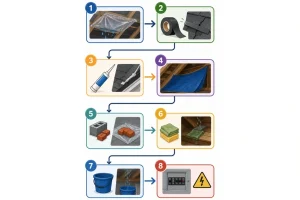
- Cover the leak with plastic sheet tightly secured.
- Use roofing tape to seal small cracks quickly.
- Apply waterproof sealant if available at home.
- Place a tarp over roof area from inside attic.
- Use heavy objects to hold plastic in place.
- Block water path using cloth or sponge.
- Keep buckets ready for continuous dripping.
- Turn off electricity near affected wet areas.
8 Temporary Fixes Explained
Plastic Sheet Cover: A plastic sheet can block water from spreading inside your home. Secure it tightly over the leaking area using tape or weights. This quick fix helps control dripping and protects floors and furniture.
Roofing Tape Seal: Roofing tape works well for small cracks or holes. Apply it over the leaking spot to stop water entry. It is easy to use and provides a quick seal until proper repair is done. Make sure the surface is dry before applying for better sticking and longer-lasting temporary protection during heavy rain.
Waterproof Sealant Use: If you have sealant at home, apply it to the leak source. It can block water entry for a short time. Make sure the surface is slightly dry before applying for better results.
Tarp Placement: A tarp can act as a barrier against water. If you can access the attic, place it under the leaking area. Secure it properly so water flows into a container instead. This helps reduce ceiling damage, prevents mold growth, and protects insulation until a permanent roof repair can be arranged safely by a professional roofer.
Use Towels and Cloths: Thick towels can absorb water and reduce spread. Place them around the leak area. Replace them when soaked to maintain effectiveness throughout the night. This helps protect floors and furniture from water damage, minimizes slipping risks, and keeps the area safer until a proper roof repair can be completed.
Bucket Management: Buckets help collect dripping water. Always keep more than one ready. This ensures you can handle increasing water flow without creating a mess. Rotate buckets regularly to avoid overflow, reduce floor damage, and maintain a safer indoor environment while waiting for a permanent roof repair solution.
Seal Small Gaps: Check for visible gaps or cracks. Use tape or cloth to block them. This slows down water entry and reduces damage until proper repair is arranged. Focus on temporary coverage only, as it is not a permanent fix, but it can help protect ceilings and walls from spreading moisture overnight.
Protect Electrical Areas: Water and electricity are dangerous together. Turn off power near the leak area. This simple step keeps you safe from accidents during the night.
Things You Should Avoid Doing
- Do not climb onto the roof at night.
- Avoid using unsafe tools in poor lighting.
- Do not ignore growing water stains.
- Avoid placing electrical items near water.
- Do not delay basic temporary fixes.
How to Stay Safe During a Roof Leak
Safety should always come first when dealing with a roof leak. Avoid risky actions like climbing outside in the dark. Keep the area well lit and dry to prevent slips. Always stay aware of electrical risks and keep children away from the affected area. If the leak is affecting exterior walls, inspect them later for damage that may require siding installation or repairs.
If a leaking roof at night is allowing water to reach electrical outlets, ceiling lights, or appliances, turn off power to the affected area if it is safe to do so. Wear shoes with good grip when walking on wet floors to reduce the risk of slipping. Use flashlights instead of candles during storms to avoid fire hazards. Staying indoors and avoiding unnecessary movement on wet surfaces can help prevent injuries until daylight and professional roof repair services are available.
When to Call a Professional Roofer
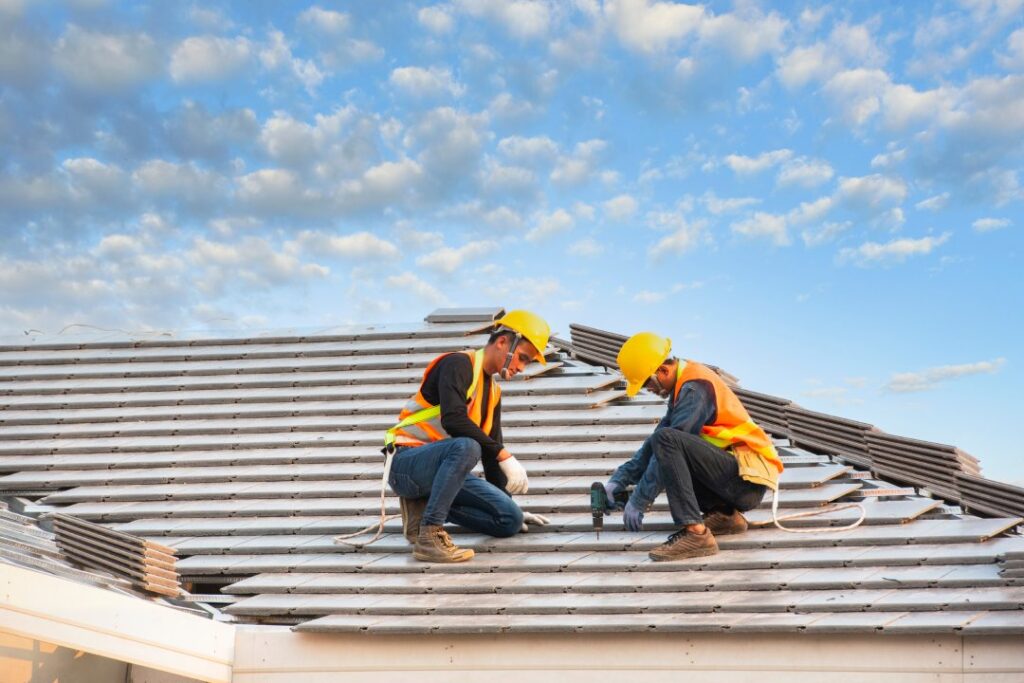
Temporary fixes are helpful, but they are not permanent solutions. Once morning comes, contact a professional roofer to inspect and repair the damage. Delaying proper repair can lead to bigger issues like mold, structural damage, and higher costs later.
Professional roofers can identify hidden problems that may not be visible from inside the home. Small leaks often indicate damaged shingles, flashing issues, clogged drainage systems, or weakened roofing materials that require expert repair. A full inspection helps prevent future leaks and protects the overall structure of your home. Fast professional attention also reduces the chance of repeated water damage, insulation problems, and expensive emergency repairs during future storms or heavy rainfall.
Quick Night-Time Leak Tips
- Stay calm and act quickly.
- Use buckets to control water.
- Move valuables away immediately.
- Keep towels ready for soaking.
- Turn off nearby electricity.
- Use plastic sheets as cover.
- Check attic if safe to access.
- Monitor leak throughout night.
- Avoid risky outdoor repairs.
- Plan repair call in morning.
Common Temporary Fix Tools
At night, you must rely on basic household items to manage a roof leak. These tools are simple but effective for short-term control. Keeping them ready can help you act fast and reduce damage until proper repair is possible.
| Tool | Use |
| Bucket | Collect dripping water |
| Plastic Sheet | Block water spread |
| Roofing Tape | Seal small cracks |
| Towels | Absorb water quickly |
| Tarp | Redirect water flow |
Understanding the Source of the Leak
Finding the source of a leak helps you apply the right fix. Even at night, you can check common areas where leaks usually start. This improves your chances of controlling the problem effectively.
Roof leaks do not always appear directly below the damaged area because water can travel along beams, insulation, and ceiling materials before dripping inside. Taking time to identify possible causes can help reduce confusion and prevent temporary fixes from failing. While nighttime inspections should remain limited for safety reasons, understanding common leak sources allows homeowners to respond more effectively and explain the problem clearly to a professional roofer later.
Damaged Shingles
Broken or missing shingles allow water to enter easily. These are common causes of leaks, especially after storms. Temporary covering can reduce the impact until repair. In some cases, wind can lift nearby shingles too, making the damage spread faster if not controlled quickly.
Older shingles may crack, curl, or weaken over time due to constant exposure to sunlight, rain, and temperature changes. Once shingles lose their protective seal, rainwater can easily slip beneath the roof surface and reach the interior structure. Strong winds during nighttime storms can make the problem worse within hours. Checking for visible signs like scattered shingle pieces or unusual dripping patterns can help identify whether shingle damage may be causing the leak.
Clogged Gutters
Blocked gutters can cause water to back up and leak into your home. Clearing them may not be possible at night, but knowing the cause helps plan repairs. Overflowing water can also run down walls and increase moisture around the roof edges over time.
Leaves, dirt, and debris often build up inside gutters and stop rainwater from draining properly. During heavy rain, trapped water may overflow beneath roofing materials and enter the house through weak points near the roofline. This extra moisture can damage fascia boards, siding, and nearby ceiling areas if ignored repeatedly. Regular gutter cleaning during dry weather helps reduce the risk of sudden nighttime leaks caused by water backup and poor roof drainage.
Cracked Flashing
Quick Leak Control Checklist
- Identify leak location quickly.
- Place bucket under drip.
- Move furniture away safely.
- Cover area with plastic sheet.
- Use tape to seal cracks.
- Dry wet surfaces immediately.
- Turn off nearby power.
- Monitor leak through night.
Why Temporary Fixes Are Important
Temporary fixes help reduce damage when immediate repair is not possible. They protect your home, furniture, and structure from serious harm. Acting quickly can save money and prevent bigger problems. Even simple steps can make a big difference overnight.
A roof leak can spread faster than many homeowners expect, especially during heavy rain or storms that continue for several hours. Temporary actions help control water movement until professional repairs can be completed safely. Without quick response, moisture can weaken ceilings, insulation, drywall, and wooden framing inside the home. Water exposure may also damage flooring, paint, electrical systems, and valuable personal belongings within a short period of time.
Signs Your Roof Needs Urgent Repair
Some signs show your roof needs immediate attention. Ignoring them can lead to serious damage, so it’s important to act fast and call a professional when needed. Here are key warning signs to watch for:
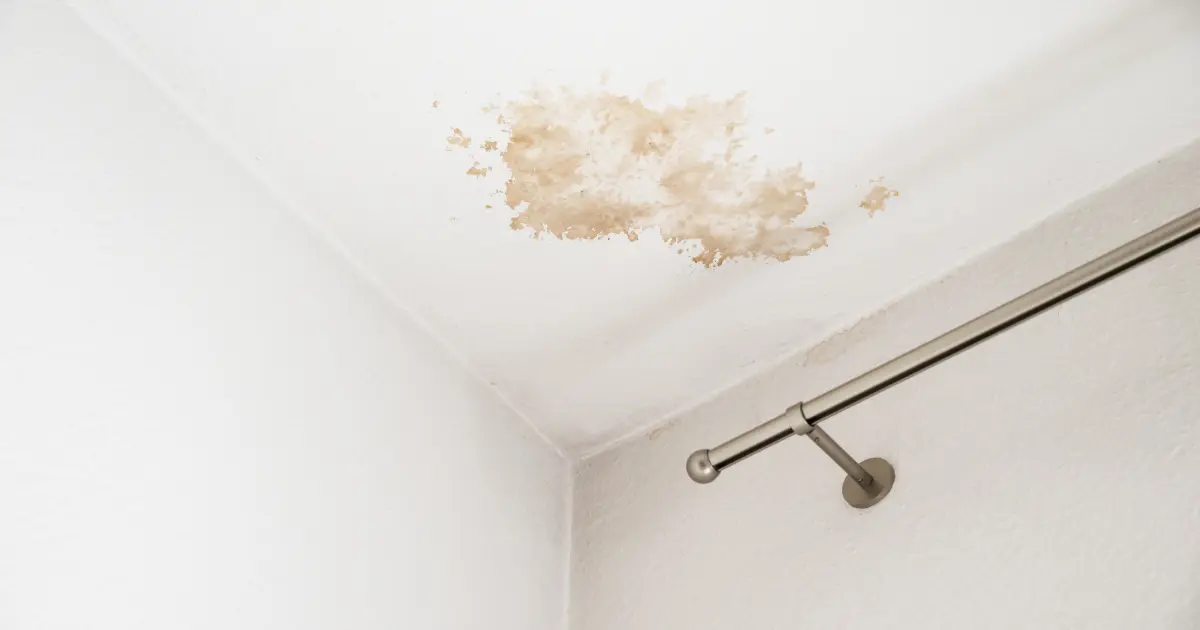
- Water stains on ceilings or walls that keep spreading after rain.
- Damp spots or moisture buildup inside rooms or attic areas.
- Musty or moldy smell indicating hidden water leakage.
- Missing, cracked, or curled shingles on the roof surface.
- Visible daylight coming through roof boards or attic gaps.
- Dripping water during or after rainfall inside the house.
- Sagging roof areas that look uneven or weak structurally.
Long-Term Risks of Ignoring Leaks
Ignoring a roof leak can lead to mold growth, damaged ceilings, and weak structures. Water can spread slowly and affect large areas over time. What starts as a small leak can become a costly repair if not fixed properly.
Continuous moisture exposure can also weaken insulation, reduce indoor air quality, and create unpleasant odors inside the home. Electrical systems may become unsafe if water reaches wiring, increasing the risk of short circuits or fire hazards. Paint and wall finishes may begin to peel, while wooden beams can rot and lose strength. The longer a leak is ignored, the more complex and expensive the repair process becomes, often requiring major restoration work instead of a simple fix.
More Temporary Fix Methods for a Leaking Roof at Night
There are several other simple ways to control leaks until help arrives. These methods focus on reducing water flow and protecting your home from further damage.
You can use waterproof tarps or plastic sheets to cover affected indoor areas and redirect dripping water into a container. Roofing tape or sealant can temporarily block small cracks if the area is safely accessible from inside. In some cases, placing absorbent materials like thick towels or sponges under steady drips can help manage water spread. If possible, create a controlled drainage path using plastic or tilted boards to guide water into buckets. These methods are not permanent solutions, but they can significantly reduce damage until a professional repair is completed.
Use a Sponge Barrier
Create Water Path
Guide water into a container using cloth or plastic. This prevents water from spreading across walls or floors. Try to direct the flow along a controlled surface so it does not soak insulation, wooden beams, or create additional ceiling damage while waiting for repair.
Secure Loose Materials
If you find loose parts in the attic, secure them carefully. This reduces movement and limits water entry. Use safe temporary supports where possible, because shifting materials can widen gaps and allow more water to pass through during ongoing rain or wind pressure.
Check for Multiple Leaks
Final Advice Before Morning
Handling a roof leak at night is about quick thinking and safe action. Focus on controlling water, protecting your space, and staying safe. These temporary fixes are not permanent, but they help you manage the situation until professional help is available.
Before morning arrives, continue monitoring the leak to ensure it does not worsen or spread to new areas. Empty containers regularly, replace soaked towels, and keep the floor as dry as possible to avoid slipping hazards. Avoid unnecessary movement around the affected area, especially in dark or wet conditions. Once daylight comes, take time to inspect visible damage more clearly and document it if needed for repair purposes. Staying calm and organized during the night will make the situation easier to handle and reduce the risk of additional damage to your home.
Frequently Asked Questions
Can I fix a roof leak at night permanently?
No, night fixes are temporary. You should arrange proper repair during the day. Trying to fix it fully at night can lead to mistakes and unsafe results. Lighting conditions are poor, making it harder to identify damage accurately or apply long-lasting solutions correctly. It may also increase the risk of missing hidden structural issues. In most cases, nighttime efforts should only focus on damage control rather than full repair, ensuring the problem does not spread further until proper inspection is possible.
Is it safe to go on the roof at night?
No, it is risky due to poor visibility and safety concerns. Slippery surfaces and hidden damage can increase the chance of accidents or serious injury. Even experienced workers avoid night roof access unless absolutely necessary for emergency stabilization only. Darkness also reduces awareness of edges and weak roofing areas. Wind, rain, and unstable surfaces can make movement extremely dangerous, so it is always safer to wait for daylight and professional support.
What is the fastest way to stop dripping water?
Using a bucket and covering the leak area works quickly. You can also use a towel or plastic sheet to slow down the water spread inside. Redirecting the drip into a container helps protect floors, furniture, and reduces immediate interior damage. This method also minimizes slipping hazards inside the home. For stronger leaks, placing multiple containers or layering absorbent materials can help manage water more effectively until the rainfall slows or stops.
Should I turn off electricity during a leak?
Final Thought
A leaking roof at night can feel stressful and urgent, but the right actions can keep the situation under control until morning. The most important thing is to stay calm and focus on safety first. Small steps like moving valuables, using buckets, and reducing water spread can prevent major damage to your home while you wait for proper repair. Even though these are only temporary solutions, they play a very important role in protecting ceilings, walls, furniture, and electrical systems from worsening damage.
It is also important to remember that roof leaks usually indicate a deeper problem that needs professional attention. Ignoring it or delaying repairs can lead to mold growth, structural weakening, and higher repair costs later. Once daylight arrives, a proper inspection should be done to find the exact source of the leak and fix it permanently. Acting quickly at night and following up with professional repair in the morning is the best way to protect your home and avoid long-term damage.