
Water dripping from your ceiling is bad enough, but discovering a ceiling bulging with water can mean a much more serious problem is developing above you. What may look like a small bubble or soft patch can quickly turn into major damage if the trapped moisture is ignored. In some homes, the issue may stay hidden for days before visible warning signs finally appear. In many cases, trapped water comes from a roof leak, broken pipe, overflowing bathroom, or damaged plumbing line slowly soaking the ceiling materials.
As moisture spreads, the ceiling becomes heavier, weaker, and more unstable over time. The longer the moisture remains trapped, the greater the risk of damage to nearby walls, insulation, and flooring. When you notice a ceiling bulging with water, the pressure can cause cracks, stains, sagging areas, or even a sudden ceiling collapse. Along with structural damage, water buildup can lead to mold growth, damaged insulation, electrical hazards, unpleasant odors, and costly repairs throughout the house if not addressed quickly.
What a Water Bulge in the Ceiling Really Indicates
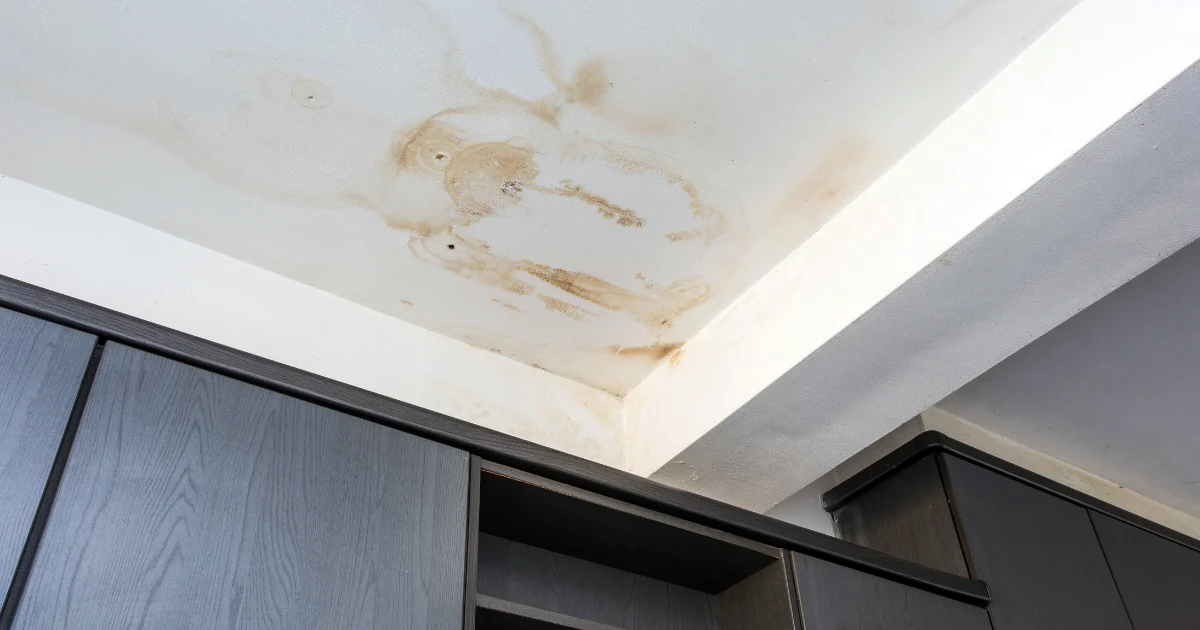
A water bulge in your ceiling is far more than an unattractive surface problem it is a warning that moisture may already be trapped inside your home’s structure. A bulging ceiling usually forms when water collects between ceiling layers, adding significant weight and pressure that drywall and other materials may not be designed to support. In many homes, this trapped moisture can continue spreading through insulation, wooden beams, framing, and nearby wall areas before homeowners even realize there is a serious hidden leak developing overhead.
The longer water remains trapped, the greater the potential for structural weakening, mold growth, damaged insulation, and costly interior repairs. While services such as siding installation can help protect exterior walls from weather exposure, they cannot resolve moisture that has already entered the ceiling structure. Identifying the source quickly is essential to prevent the problem from becoming more severe.
What you can see on the ceiling may only represent a small portion of the damage happening behind it. This condition often develops silently, meaning the visible swelling or bulging may already be a late warning sign of deeper moisture intrusion within the structure. Water can travel through hidden spaces and follow framing materials before appearing as stains, sagging, or soft spots. By the time these warning signs become noticeable, surrounding materials may already be affected. Prompt inspection and moisture assessment can help determine how far the water has traveled and whether additional areas require immediate attention.
How Ceiling Water Accumulation Develops
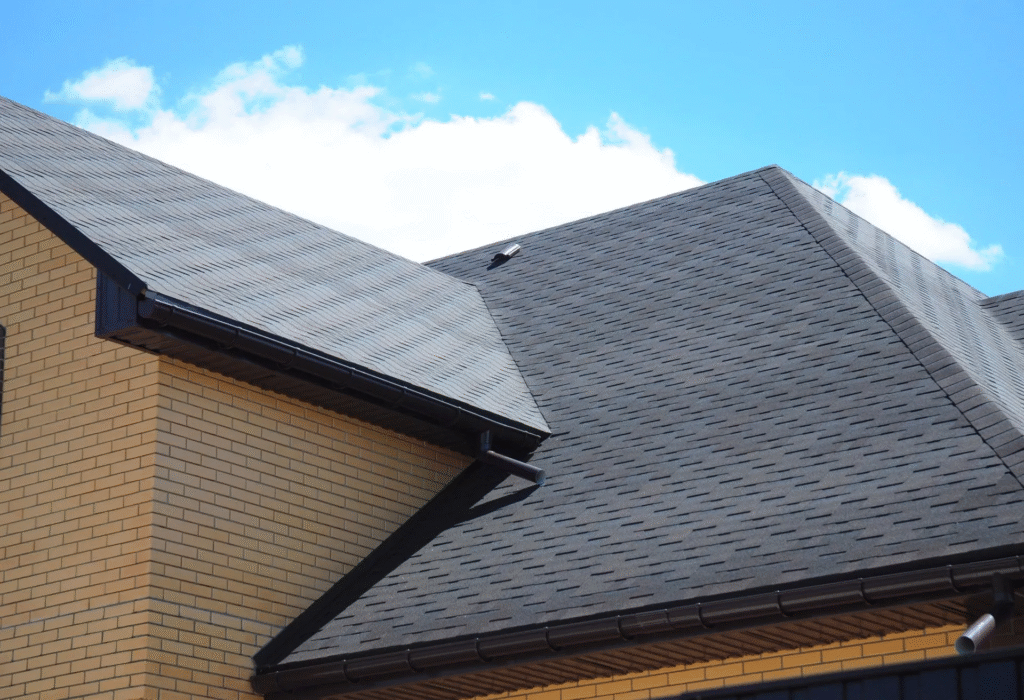
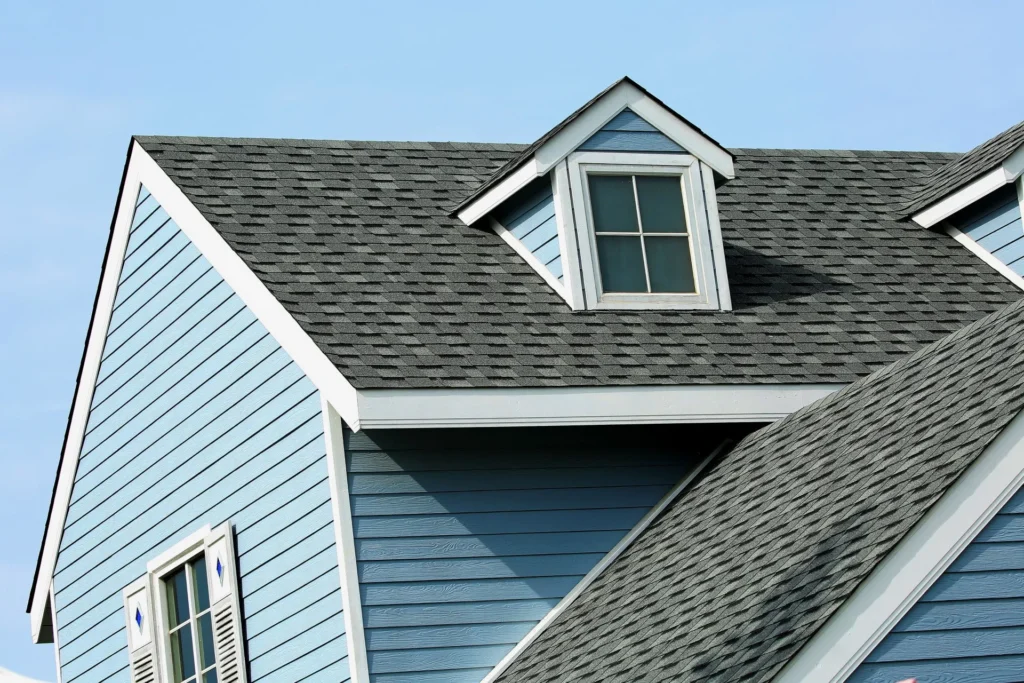
Hidden Roof Leakage Pathways: Water often enters through small roof defects like cracked shingles or worn flashing. These openings allow slow seepage that travels through insulation before reaching the ceiling layer, where it begins to pool and create visible bulging.
Plumbing Line Failures Above Ceiling: Leaks from bathroom pipes or supply lines above the ceiling can release water directly into the ceiling cavity. Since the leak is hidden, moisture builds quickly, forming swelling patches before any dripping becomes visible inside the room.
Condensation Build-Up in Poor Ventilation Poor airflow in attic or ceiling spaces can cause warm air to condense on cooler surfaces. Over time, repeated condensation introduces moisture that weakens ceiling materials and creates gradual bulging in localized areas.
Structural Weak Points in Ceiling Layers: Old or poorly installed ceiling boards may have weak joints or degraded adhesive layers. When exposed to even small amounts of moisture, these weak points absorb water faster, leading to uneven expansion and visible surface distortion.
Early Visual Signs You Should Not Miss 
- Soft ceiling texture becoming weak and spongy.
- Yellowish water stains spreading across surface areas.
- Sagging patches forming with visible uneven dips.
- Paint bubbling upward and losing proper adhesion.
- Hairline cracks spreading slowly across ceiling joints.
- Damp odor indoors becomes noticeable over time.
- Uneven ceiling surface showing structural irregularities clearly.
- Slight discoloration rings appearing in circular patterns.
What Each Bulging Pattern May Indicate
Small circular swell shows slow leakage from above, often from minor roof seepage that builds gradually without immediate dripping inside the room.
Large sagging bulge suggests heavy water pooling, meaning structural saturation has already occurred and the ceiling material is under serious load stress.
Yellow ring-shaped marks often point to repeated leakage cycles where water enters, dries, then returns during rainfall or plumbing use.
Soft sponge-like texture indicates internal material breakdown caused by prolonged moisture exposure weakening the drywall core.
Rapid swelling after rain suggests an active roof entry point allowing direct water intrusion during storms or heavy precipitation.
Localized bubbling paint shows trapped moisture just beneath the surface layer, pushing outward as pressure builds behind the coating.
Widening cracks around bulge edges signal structural stretching where ceiling joints are failing due to internal water pressure.
Darkened patches often indicate long-term dampness where mold growth and material decay may already be starting inside the ceiling.
Warning Conditions That Require Immediate Attention
A bulging ceiling is a warning sign that should never be ignored or left waiting for a convenient time to investigate. When combined with active dripping, spreading water stains, discoloration, or increasing softness, it strongly suggests that water is continuing to accumulate inside the ceiling structure. Ignoring these signals can result in sudden ceiling collapse or widespread interior damage that becomes significantly more complex and expensive to repair.
In severe situations, the added weight of trapped water may place stress on nearby ceiling joints, electrical fixtures, insulation, drywall, and connected wall sections, creating additional safety concerns throughout the home. While Roof Cooling Solutions can help improve roof temperature management and reduce heat-related stress, they cannot address active water intrusion or ceiling damage. Prompt inspection can help identify the source of the moisture, limit further damage, and reduce the risk of serious structural problems or injuries caused by unexpected ceiling failure.
How Ceiling Bulging With Water Leads to Hidden Damage
Key Indicators of Serious Ceiling Moisture Issues 
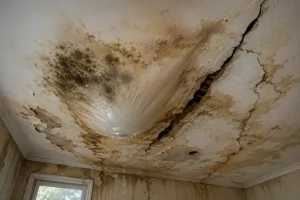
- Expanding bulge size becoming larger and more unstable.
- Continuous dampness lingering inside ceiling layers.
- Ceiling sagging deeper with visible structural stress.
- Water drips indoors during or after rainfall events.
- Mold smell increasing and spreading through rooms.
- Cracks widening fast across affected ceiling areas.
- Paint peeling off in patches due to moisture damage.
- Discoloration spreading across broader ceiling surfaces.
- Soft ceiling spots forming weak and unstable sections.
- Structural bending visible in ceiling alignment and shape.
Comparison of Common Ceiling Bulge Causes
| Cause | Early Sign | Risk Level | Visibility |
| Roof leak | Yellow stain | High | Medium |
| Plumbing leak | Sudden bulge | High | Low |
| Condensation | Light dampness | Medium | Low |
| Structural weakness | Uneven ceiling | High | Medium |
How Professionals Identify the Source
When a ceiling bulging with water appears, professionals first determine where the moisture is coming from before starting repairs. A bulging area can indicate trapped water above the ceiling, but the visible damage may not be directly below the actual leak. Careful inspection helps identify the source and prevents the same problem from returning after the damaged ceiling is repaired.
Moisture Detection Tools Used
A ceiling bulging with water often signals that moisture has traveled beyond the visible surface, making accurate detection important before repairs begin. Experts use moisture meters to identify hidden damp zones behind ceiling layers and trace water paths that cannot be seen from the outside. These readings can be compared across different sections to help pinpoint the likely entry point. In some cases, thermal imaging tools are also used to detect concealed moisture behind drywall or insulation. Unusual temperature patterns can help professionals narrow down affected areas without removing large sections unnecessarily. Accurate detection can reduce repair time and help prevent additional damage.
Roof Surface Inspection Methods
Roof inspection involves checking shingles, flashing, and drainage points. Professionals trace possible entry locations where rainwater or wind-driven moisture may be entering the structure. Special attention is given to weak seals and weathered joints that often allow slow leaks. Inspectors may also examine roof valleys, vents, skylights, and gutter connections where water intrusion commonly begins during heavy storms.
Internal Structural Evaluation
Common Warning Signs Found During Inspection
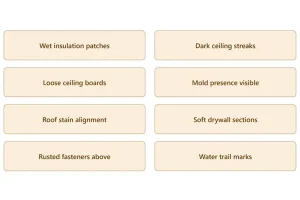
A thorough inspection can reveal several warning signs that may point to hidden roof or ceiling problems. Wet insulation patches often indicate moisture entering from above, while dark ceiling streaks can signal ongoing water leaks. Loose ceiling boards and soft drywall sections may show that materials have weakened after repeated moisture exposure. Mold presence is another concern because it can develop in damp, poorly ventilated areas. Inspectors may also notice roof stain alignment, which can help trace the path of water from the roof to the ceiling. Rusted fasteners above may suggest long-term moisture exposure, while water trail marks can reveal previous or active leaks. Finding these signs early allows homeowners to address the source before the damage becomes more extensive.
How Quick Action Can Prevent Costly Ceiling Damage
Long-Term Risks of Ignoring Ceiling Bulging
Repair Approaches Based on Damage Type
Surface-Level Moisture Correction
When water damage is caught early, a simple surface-level repair may be enough to restore the ceiling and prevent the problem from becoming more serious. Minor cases typically involve thoroughly drying the affected area, sealing small leak sources, repairing surface imperfections, and repainting once the ceiling is completely dry. This approach is effective only when water intrusion is limited and detected before moisture reaches deeper structural layers. It focuses on restoring the visible surface while addressing the source of the leak to prevent stains, discoloration, and peeling paint from returning after the repair work is completed. Proper drying is also essential to reduce the risk of hidden moisture and mold growth.
Structural Ceiling Restoration Work
When dealing with a ceiling bulging with water, simple cosmetic repairs are no longer enough if water damage has reached deeper into the ceiling. Moderate damage may require removing affected ceiling sections and replacing weakened drywall, boards, insulation, or other damaged materials. This process helps ensure structural stability and prevents hidden moisture from remaining trapped inside the ceiling layers, where it can continue causing deterioration. Professional restoration may also involve inspecting nearby framing and surrounding areas for additional damage that is not immediately visible. Addressing these problems properly helps restore structural balance, improves the appearance of the ceiling, and reduces the risk of future sagging, cracking, staining, or surface deformation.
Full System Leak Repair Strategy
Severe ceiling damage requires more than repairing what is visible because the original source of the water must also be completely resolved. Major cases may involve repairing roof leaks, damaged plumbing, or other water sources along with removing and replacing extensively damaged ceiling materials. This comprehensive approach ensures that both the underlying cause and the resulting damage are properly addressed for long-term safety and protection. It also helps eliminate recurring leaks, prevent additional moisture from entering the structure, and restore the overall integrity of the affected area. A complete inspection is important to identify hidden damage and confirm that the ceiling, insulation, framing, and surrounding structures are safe before repairs are considered finished.
Preventive Measures for Future Protection
Proper roof maintenance, improved ventilation, and regular plumbing checks significantly reduce the risk of ceiling moisture issues. These steps help control humidity levels and prevent water accumulation inside hidden structural spaces. They also support early detection of weak points before visible damage develops indoors. Consistent monitoring reduces long-term repair costs and helps maintain overall building safety and structural stability.
Key Prevention Practices 
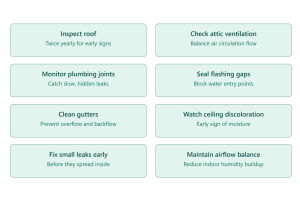
- Inspect roof twice yearly to catch early damage signs.
- Check attic ventilation flow for proper air circulation balance.
- Monitor plumbing joints for slow or hidden leak development.
- Seal roof flashing gaps to block water entry points.
- Clean gutters regularly to prevent overflow and backflow issues.
- Watch ceiling discoloration as early warning of moisture.
- Fix small leaks early before they spread inside structures.
- Maintain airflow balance to reduce humidity buildup indoors.
Frequently Asked Questions
Why is my ceiling bulging suddenly?
Can a bulging ceiling collapse?
Yes, a bulging ceiling can collapse if the underlying water damage continues to worsen. If water continues to accumulate, the ceiling material can lose strength and eventually fail. The risk increases depending on the size of the bulge, the amount of trapped water, the weight of saturated materials, and how long the moisture remains inside the structure. Once saturation reaches a critical level, sudden collapse becomes a real possibility, sometimes with little warning. In severe cases, falling drywall, insulation, ceiling materials, or other debris can create serious safety hazards for anyone nearby. A growing bulge should never be ignored, as quick action can help reduce the risk of further damage and potential injury.
Is it safe to stay in a room with a bulging ceiling?
Staying underneath a visibly bulging ceiling can put you at unnecessary risk, especially when water damage is still active. It is not recommended because the ceiling may be structurally weakened and could deteriorate further without warning. There is also a risk of hidden mold growth or electrical exposure if wiring, light fixtures, or other electrical components have been affected by moisture. Staying in the room increases safety risks if the bulge suddenly expands or collapses unexpectedly. Rooms with active dripping, significant water stains, or visible sagging should be avoided until the source of the water has been addressed and a qualified professional has completed a thorough inspection. If the damage appears severe, keep people and pets away from the affected area.
How fast should I act on a ceiling bulge?
You should act immediately after noticing any ceiling bulge. Delaying inspection or repairs can quickly increase the severity of the damage. Fast action helps prevent:
- Moisture from spreading into walls and insulation.
- Structural weakening inside ceiling materials.
- Mold growth in hidden damp areas.
- Electrical hazards caused by water exposure.
- Expensive ceiling and interior repairs.
- Sudden ceiling collapse from excess water weight.
Early inspection also makes it easier to locate the original leak source before the damage spreads further throughout the home.
Final Thought
A ceiling bulging with water should never be ignored because it usually signals serious hidden moisture damage inside the structure. What may appear to be a small swollen area can quickly become a dangerous problem if water continues collecting above the ceiling surface. Over time, trapped moisture weakens drywall, insulation, wooden framing, and nearby materials, increasing the risk of cracks, sagging, mold growth, and sudden ceiling collapse.
Whether the source is a roof leak, damaged plumbing line, overflowing fixture, or condensation issue, the damage often spreads quietly before becoming fully visible inside the home. Moisture can travel through insulation, wall cavities, and support beams, creating hidden structural problems that become more expensive to repair later. Fast inspection and professional repair are important to stop moisture spread, protect structural stability, reduce repair costs, and prevent long-term interior damage. Early action also improves safety and helps preserve the overall condition and durability of the property.