
Hearing cracking noises on your roof can be unsettling, especially when the house is quiet and the sound seems to come out of nowhere. A random pop or creak once in a while may not seem serious, but repeated cracking sounds from above should never be ignored. These sounds often become more noticeable at night or during sudden weather changes, when temperature shifts cause roofing materials to expand and contract rapidly, putting additional stress on joints, fasteners, and hidden structural components that may be weakened over time.
Your roof is constantly under stress from temperature changes, moisture, wind, and shifting materials. When something starts making unusual noise, it is often a warning sign that part of your roofing system is under strain. Sometimes the cause is minor, like normal expansion and contraction. Other times, those sounds can point to loose shingles, weakened framing, moisture damage, or structural movement that needs quick attention. The challenge is knowing the difference between harmless settling and a roof issue that could become expensive fast. This guide will help you understand what roof cracking noises usually mean, what warning signs to watch for, and when it is time to call a professional before the damage gets worse.
What causes cracking noises on a roof?
Roof cracking sounds usually happen when materials move, shift, or begin to fail. Your roof expands during the day as it heats up and contracts at night as it cools down. That movement can cause popping or cracking sounds, especially in older roofs or homes with attic ventilation problems. In many cases, the sound comes from roofing materials reacting to temperature changes. Shingles, wood decking, flashing, and even framing can all expand and contract. In some situations, poor installation or aging materials make the problem worse because the roof cannot flex evenly. When different layers of the roofing system expand at different rates, stress builds up in weak points, creating sharper cracking sounds that may repeat during the day or night. This is often an early sign that the roof is under long-term strain.
Common causes include:
- Expansion and contraction from heat and cooling.
- Loose or lifting shingles.
- Wood framing shifting or drying out.
- Roof decking movement.
- Moisture damage weakening wood.
- Poor attic ventilation causing heat buildup.
- Loose flashing around vents or chimneys.
- Structural settling or roof sagging.
Normal roof noises vs warning signs
Not every roof sound means there is a serious problem. Roofs naturally make some noise as materials react to outside temperature. A light pop in the evening after a hot day is often normal. What matters is how often it happens, how loud it is, and whether other signs appear with it. 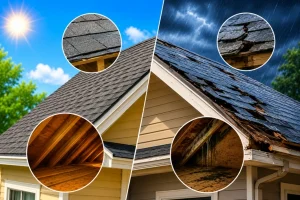
Normal roof sounds are usually:
- Occasional.
- Light popping or ticking.
- Most common during temperature swings.
- Not followed by leaks or visible damage.
Warning signs are different. These sounds tend to be louder, more frequent, or happen during bad weather. If the noise is sharp, repeated, or sounds like wood snapping, it deserves attention.
Roof noises may be a warning sign if you notice:
- Loud cracking or snapping sounds.
- Repeated popping in the same area.
- Noise during wind or storms.
- Sagging ceiling or roof line.
- Water stains indoors.
- New attic odors like damp wood or mold.
- Shingle pieces in the yard.
- Visible roof movement.
Loose shingles can make cracking sounds
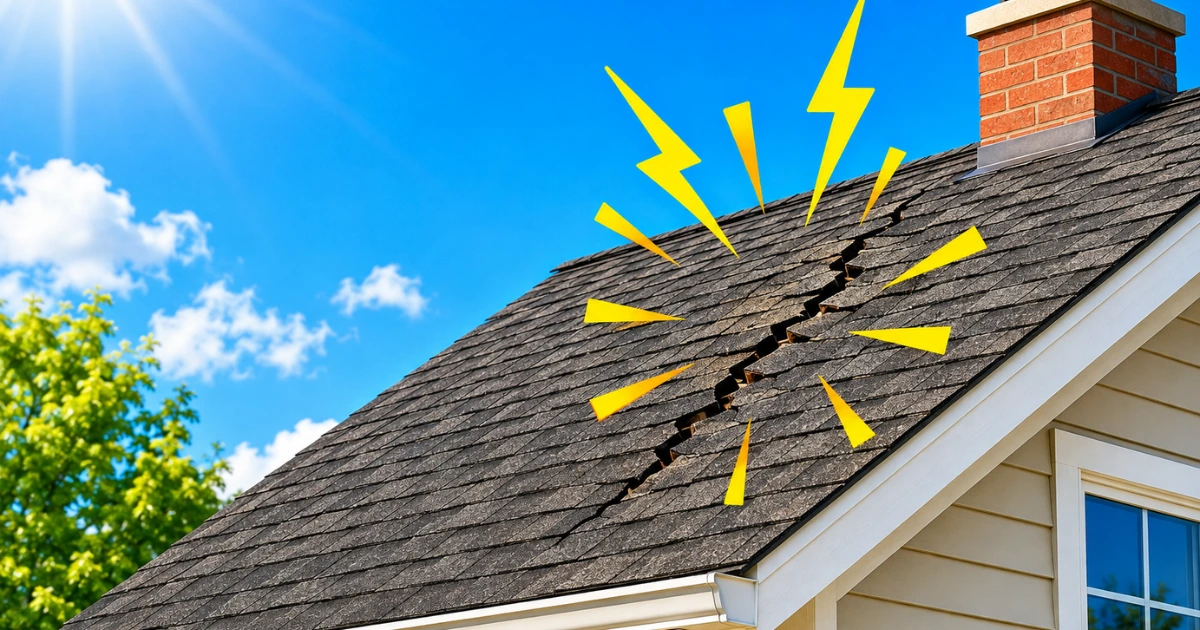
One of the most common causes of roof cracking noise is loose shingles. As shingles age, they dry out, become brittle, and start lifting at the edges. When wind moves them or temperature changes cause them to shift, they can make cracking or snapping sounds. This often happens before a leak starts. A loose shingle may still look fine from the ground, but once it lifts, water can get underneath and damage the underlayment and decking below. Signs loose shingles may be the cause:
- Cracking noise during windy weather.
- Curled or lifted shingle edges.
- Missing granules in gutters.
- Shingle pieces near downspouts.
- Dark patches on the roof.
Loose shingles are often one of the first signs your roof is aging and becoming vulnerable. If several shingles are loose or damaged, the problem may spread to nearby areas and increase the risk of water intrusion. Early inspection can help determine whether simple repairs are enough or if more extensive roof replacement is needed.
 Moisture damage can cause wood to crack
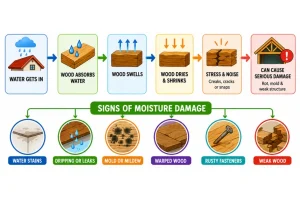 Moisture damage can cause wood to crack
Water damage is another major reason roofs begin making cracking noises. When moisture gets into the decking, rafters, or attic framing, the wood swells as it absorbs water. As it dries, it shrinks and shifts. That cycle creates stress in the wood and often causes creaking, cracking, or snapping sounds. This is especially common after a leak, storm, or long period of high humidity. Wet wood becomes weak over time. If ignored, it can lead to rot, mold, and structural damage. Moisture can also weaken fasteners and connections, making roof components less stable and more likely to move under changing weather conditions. Early inspection can help find hidden water damage before repairs become more extensive and costly. Watch for these signs of moisture damage:
- Musty smell in the attic.
- Water stains on ceilings.
- Soft or dark wood in the attic.
- Insulation that looks wet or matted.
- Cracking sounds after rain.
Moisture damage rarely stays small for long. If water is involved, the roof should be inspected quickly.
Roof framing may be shifting
Cracking sounds can also come from the structural frame beneath the roof. Rafters and trusses support the entire roofing system. If those parts begin shifting, drying out, or weakening, they can create loud cracking or popping sounds under pressure. In severe cases, the damage may be extensive enough to require roof replacement rather than a simple repair.. This can happen from:
- Age-related wood movement.
- Heavy roof loads.
- Poor framing connections.
- Moisture damage in support beams.
- Structural settling over time.
Framing noise is more serious than surface-level shingle movement. If the sound feels deep, heavy, or comes with visible sagging, the issue may involve the structure itself.
Warning signs of framing trouble include:
- Loud deep cracking sounds.
- Roof sagging in one area.
- Ceiling cracks indoors.
- Doors sticking near affected rooms.
- Visible bowing in attic framing.
Structural movement should never be ignored.
Poor attic ventilation can stress the roof 
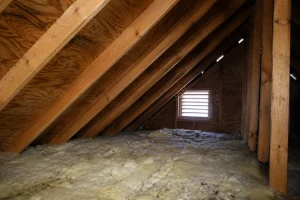
A poorly ventilated attic traps heat and moisture, which puts constant stress on your roof materials. This makes expansion and contraction more severe and causes faster aging across the entire roofing system. In hot weather, attic temperatures can rise far above outdoor temperatures. That trapped heat causes shingles and decking to expand more than normal. When temperatures drop at night, materials contract quickly and often make popping or cracking sounds. A professional roof inspection can help identify ventilation problems, damaged materials, and other warning signs before they lead to costly roof repairs.
- Frequent roof popping at night.
- Overheated attic air.
- Premature shingle aging.
- Moisture buildup in insulation.
- Wood movement and nail loosening.
Ventilation issues are easy to overlook, but they often cause roof problems long before leaks appear.
Storm damage can cause delayed roof noises
If your roof started making noise after a storm, do not ignore it. Wind, hail, and heavy rain can loosen shingles, shift flashing, and weaken roof decking. The damage may not be obvious right away, but the noise is often the first clue something moved. Small cracks or loose materials can become worse during the next storm, especially when strong winds put pressure on weakened areas. A professional inspection can identify hidden damage and help prevent leaks, structural problems, and more expensive repairs.
Storm-related roof noises may mean:
- Wind lifted shingles.
- Flashing pulled loose.
- Tree limbs hit the roof.
- Fasteners loosened.
- Water entered below the surface.
Storm damage often gets worse quietly. What starts as a noise today can become a leak after the next rainfall.
What Should You Do When You Hear Cracking Noises on Your Roof?
If you suddenly hear cracking or popping sounds from above, avoid climbing onto the roof to investigate the problem yourself. Walking on damaged shingles, wet decking, or weakened areas can create additional damage and may put you at risk of falling. Instead, try to identify when the sound occurs and whether it happens during hot weather, nighttime cooling, rain, or strong wind.
Check the areas inside your home for signs that may help identify the source. Look at ceilings, upper walls, and attic spaces for new stains, damp insulation, unusual odors, or visible movement. You can also note whether the sound comes from one specific area or seems to travel across the roof.
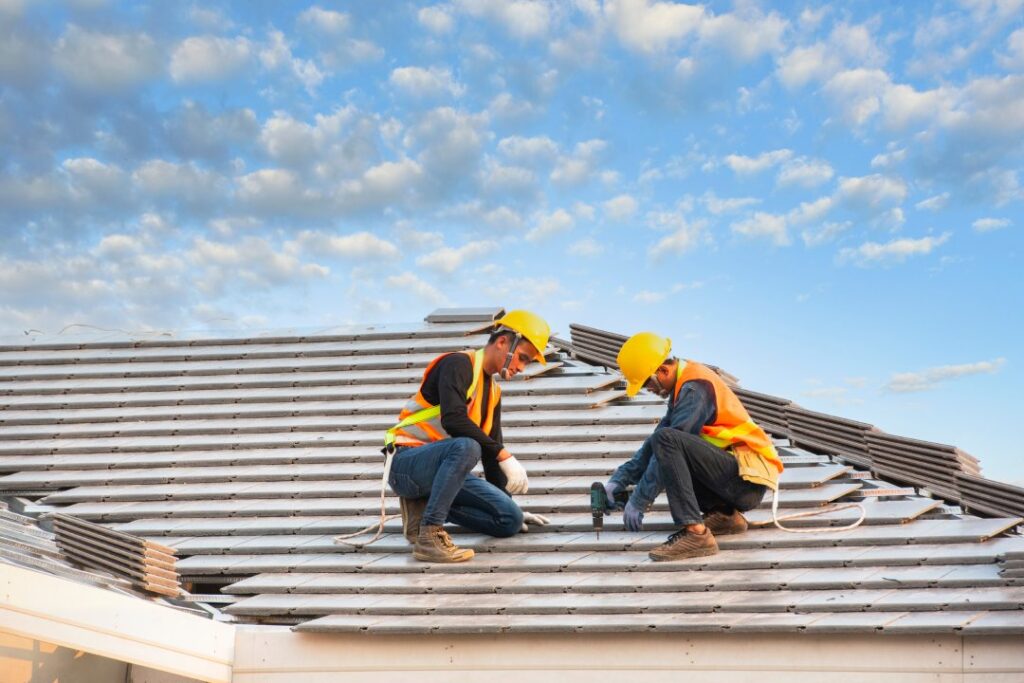
If the cracking becomes louder, happens repeatedly, or is accompanied by visible damage, arrange a professional roof assessment. A trained roofer can safely inspect the roofing materials and underlying structure without putting you at unnecessary risk.
Steps to take after noticing roof noises:
- Note the time and weather conditions when the sound occurs.
- Check ceilings and attic areas for visible moisture.
- Look for new cracks, stains, or signs of movement indoors.
- Avoid walking on the roof yourself.
- Check for obvious storm damage from ground level.
- Schedule a professional inspection if the noise continues.
Taking these steps can help provide useful information to the roofer and make it easier to determine whether the sound is caused by normal movement or an underlying roofing problem.
Signs you need a roof inspection now
Roof cracking sounds should be inspected sooner rather than later if they come with other warning signs. Sounds alone matter, but sounds plus visible changes usually mean damage is already developing.
Call for a roof inspection if you notice:
- Repeated cracking in the same spot.
- Indoor ceiling stains.
- Visible sagging.
- Missing shingles.
- Damp attic insulation.
- Mold or mildew smell.
- Roof noise after storms.
- Cracks in ceilings or walls.
These signs usually mean the issue is no longer minor.
How Roofers Find the Source of Cracking Noises 
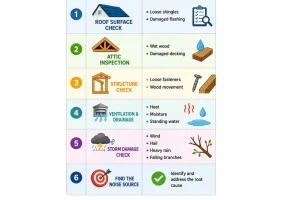
Finding the source of a roof cracking noise is not always as simple as locating the loudest spot. Sound can travel through roofing materials, attic framing, and interior walls, making the actual problem difficult to identify from inside the home. Professional roofers inspect multiple parts of the roofing system to determine where movement or damage is occurring.
The inspection may begin with the roof surface, where loose shingles, damaged flashing, lifted materials, and other visible problems can be identified. The roofer may then examine the attic for damaged decking, moisture, weakened wood, loose fasteners, or signs that the structure has shifted.
Professionals may also look at ventilation and drainage because trapped heat, excess moisture, and standing water can place additional stress on roofing components. If the noise started after severe weather, they may pay particular attention to areas exposed to wind, hail, falling branches, or heavy rainfall.
What a professional inspection may include:
- Checking shingles and other roof coverings.
- Examining flashing and roof penetrations.
- Inspecting attic decking and framing.
- Looking for moisture or water entry.
- Checking ventilation conditions.
- Identifying signs of structural movement.
- Reviewing areas affected by recent storms.
A professional inspection helps separate harmless temperature-related movement from problems that require repair. Identifying the actual source is important because repairing only the visible symptom may not solve the underlying issue. Once the cause is confirmed, the roofer can recommend the appropriate repair and help prevent the cracking noise from returning.
Why Early Roof Repairs Matter When You’re Hearing Cracking Noises on Your Roof
Hearing cracking noises on your roof can be an early warning sign that something needs attention. The sound may come from shifting roofing materials, damaged decking, loose components, or changes caused by heat and moisture. Ignoring these noises can allow a small roofing issue to become more serious. Early roof repairs help identify the source of the problem, protect the roof structure, and reduce the risk of leaks or costly damage. A professional inspection can determine whether the cracking sound is caused by normal expansion and contraction or a problem that requires immediate repair. Acting early can help keep your roof safe, strong, and reliable.
Frequently Asked Questions
Is it normal to hear cracking noises on the roof at night?
Sometimes, yes. Roof materials often expand in daytime heat and contract at night, which can cause light popping or cracking sounds. Occasional, mild noises are usually not a serious concern. However, frequent or loud cracking is not normal and should be checked. If the noise continues over several nights or becomes louder, it may indicate stress in roofing materials, loose components, or hidden structural movement that needs attention. Poor attic insulation or uneven temperature control inside the home can also make these sounds more noticeable, especially when warm indoor air meets a colder roof surface at night. Identifying the source early can help prevent minor movement from developing into more serious roof damage.
Can roof cracking noises mean a leak?
Yes. Moisture can weaken decking and framing, causing wood to shift and crack. If the sound comes with stains or attic dampness, a leak may already be developing. Ongoing moisture exposure can also lead to mold growth and long-term structural weakening if not repaired quickly by a professional. Sometimes, leaks start very small and go unnoticed, but the trapped water slowly spreads through insulation and wooden supports, increasing both the noise and the damage over time.
Can wind cause roof cracking sounds?
Yes. Wind can lift loose shingles, shake flashing, and move weakened materials. Cracking sounds during windy weather often point to loose roofing parts. Strong or repeated wind exposure can also gradually loosen fasteners and create small gaps that may later allow water to enter during rainstorms or heavy weather conditions. If the roof structure is already aged or slightly damaged, even moderate wind can make movement more noticeable, leading to repeated creaking or snapping sounds.
Should I worry about popping sounds after a storm?
Yes. Storms often loosen shingles and flashing. Even if there is no visible damage from the ground, new roof noise after a storm should be inspected. Storm impacts may also create hidden damage under shingles or around flashing that can worsen over time if not checked and repaired promptly. Heavy rain, hail, or sudden wind pressure can weaken key roof layers, and the effects are not always immediately visible, making early inspection very important.
Final Thought
Hearing cracking noises on your roof is not something to ignore. While some sounds may come from normal temperature changes, repeated cracking, snapping, or popping often means your roof is under stress and trying to warn you. The sound may be coming from loose shingles, shifting wood, trapped moisture, or early structural damage. What seems minor today can quickly become a leak, sagging roof section, or expensive repair if left alone.
Pay attention to the sound, watch for the warning signs, and act early. A roof that is making noise is often telling you something is wrong long before major damage becomes visible. Small issues such as weakened fasteners, minor water intrusion, or thermal movement problems can slowly grow into serious structural concerns if they are not addressed in time. Regular inspection after unusual sounds helps identify hidden damage before it spreads further. Quick action not only protects the roof system but also helps maintain the safety and comfort of the entire home. Ignoring these early signals increases the risk of costly repairs and unexpected interior damage that could have been avoided with timely attention and proper maintenance.